


Over ten years passed, communication patterns shifting quietly under the glow of handheld screens. Pocket-sized displays began guiding routines – banking, chatting, buying – all folded into one device. Now, movement changes again by 2026; subtle yet clear. Devices driven by artificial intelligence appear slowly, built differently. Their purpose? Less reliance on familiar phones. Some designs aim to remove them entirely from daily use. Interaction shifts away from touchscreens without announcement. New tools listen, respond, adapt before being asked. Physical presence matters less when assistance comes through sound or gesture. Screens fade not with drama but gradual disuse. Attention spreads across environments instead of focusing downward. Technology blends where it was once obvious. The phone’s role weakens as alternatives learn faster. Quietly, dependence loosens. Familiar habits dissolve inch by inch.
This shift does not announce itself with noise. Gradual movement defines it, slipping past notice early on. Intelligence grows within devices, shaped by context rather than fixed rules. Manual steps fade as interaction shifts – prediction replaces initiation. Systems now respond before prompts arrive, operating in sync with unfolding moments.
Just as smartphones once took over from basic mobiles, emerging AI devices might reshape how we see personal tech. Not if phones will change – rather, whether they still hold their central role in daily digital routines.
AI Pins That Replace Your Screen
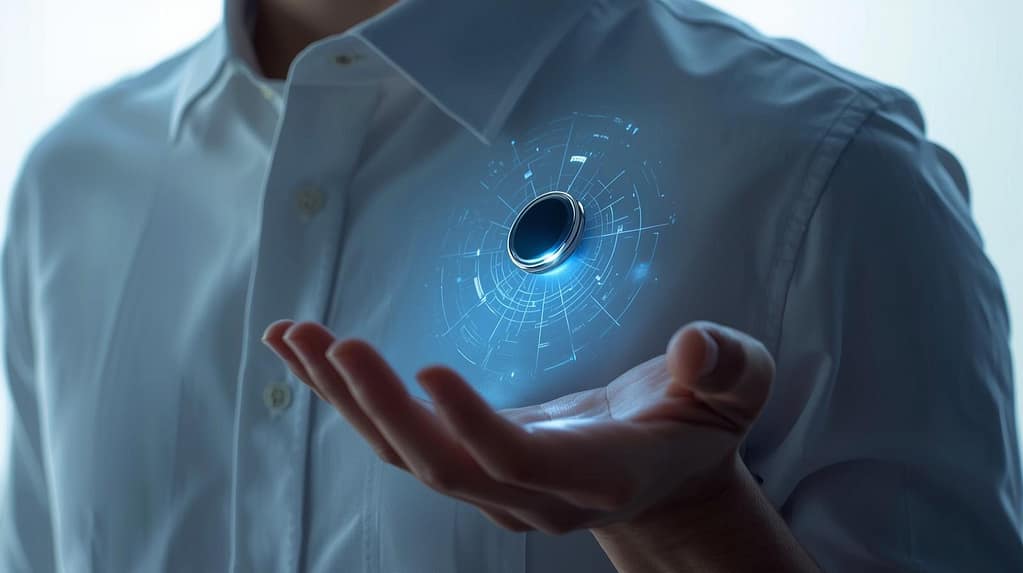
Among recent technological shifts, attention has turned toward compact wearables driven by artificial intelligence. Small enough to attach to fabric, they serve conversational roles absent physical displays. Interaction occurs via spoken words, hand motions, or light-based projections rather than touchscreen reliance. Without reaching for handheld gadgets, individuals access assistance through ambient responsiveness.
A few designs show basic images right on the skin or close walls, so data appears without screens. Meanwhile, certain versions respond only through sound, shaped by surroundings. Reducing effort during routine actions stands as the aim.
Strength in these tools comes from smart design, not physical scale. Because they recognize where and when things happen, responses occur before being asked. Weather updates arrive without prompting, messages transmit on their own, reminders appear ahead of schedule. Interaction feels effortless, shaped by patterns instead of commands.
Smart Glasses That See and Think
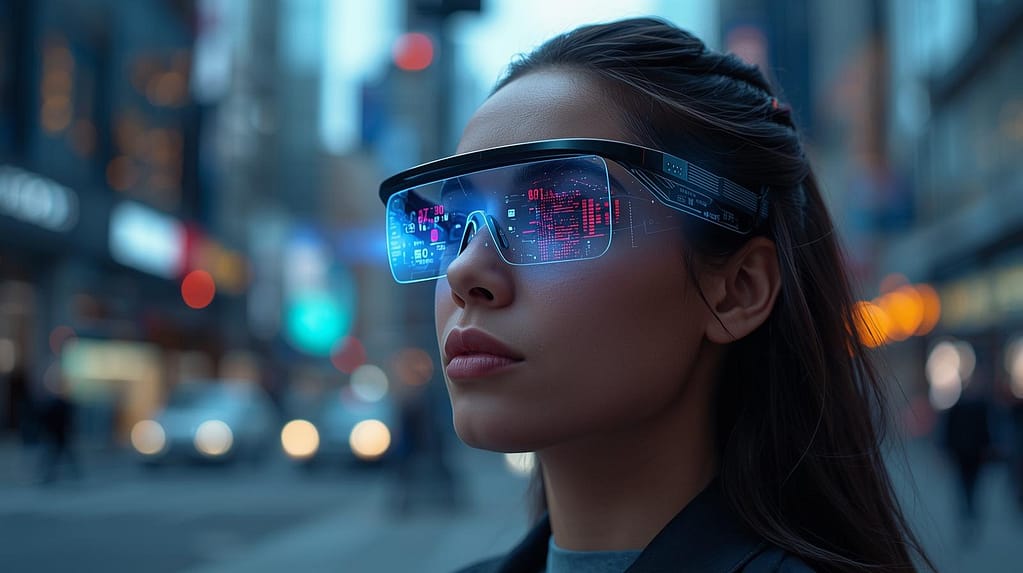
Now appearing in daily routines, smart eyewear moves past trial models toward genuine utility. Where first attempts emphasized digital overlays on sight, today’s versions merge optical sensing with speech understanding alongside instant information handling. These changes arrive through subtle advances rather than sudden breakthroughs.
Information shows up in front of you, built into what you see. With these gadgets, directions stay visible without needing to check a device below eye level. Speech in another language shifts into words you understand while people speak. Details about nearby places come through without searching separately. What you look at gains layers of helpful data naturally. No need to glance away – details arrive where attention already rests.
Nowhere is this change more clear than in everyday tech use. Into the background slips the screen, fading from constant attention. At the moment of relevance arrives data, avoiding disruption. From full engagement users do not drift, guided by timing instead of taps.
With hardware growing ever lighter and less costly, smart glasses may soon stand among the most compelling successors to smartphones.
AI earbuds replacing apps
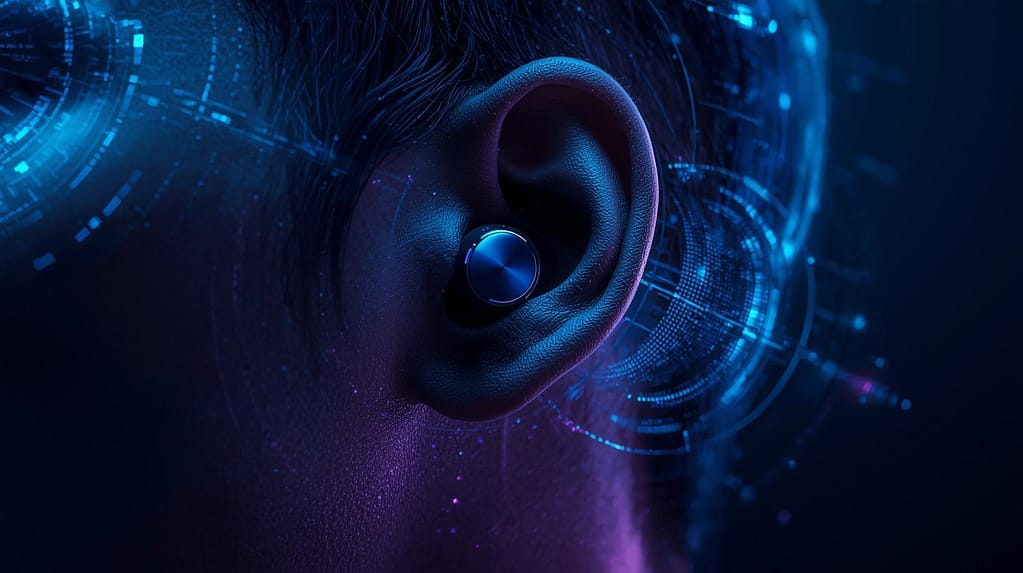
Now serving beyond tunes or conversations, wireless earbuds tap into artificial intelligence. Tasks once tied to apps shift quietly into these small devices. Assisted by smart processing, they respond without screens or taps. Functionality expands where least expected – inside the ear.
Spoken words turn into summaries through smart earpieces today. As conversation flows, translation happens without delay. When someone talks, responses form quickly inside the device. Rather than using phones, people now rely on sound alone for answers. Accuracy improves each time they listen and reply.
Without screens, focus stays clearer in various moments. When walking through unfamiliar streets, joining work discussions, or organizing personal duties, audio devices provide steady support without touch. A quiet voice guides movement, thought follows sound, attention remains free.
Available whenever needed, help now reaches users without requiring them to check a screen. This change alters the way individuals find answers. Moments pass differently when support arrives through sound alone. Access unfolds in real time, shaped by voice instead of touch. Information moves closer to instinct, guided by presence rather than prompts.
Personal AI Assistants That Act for You
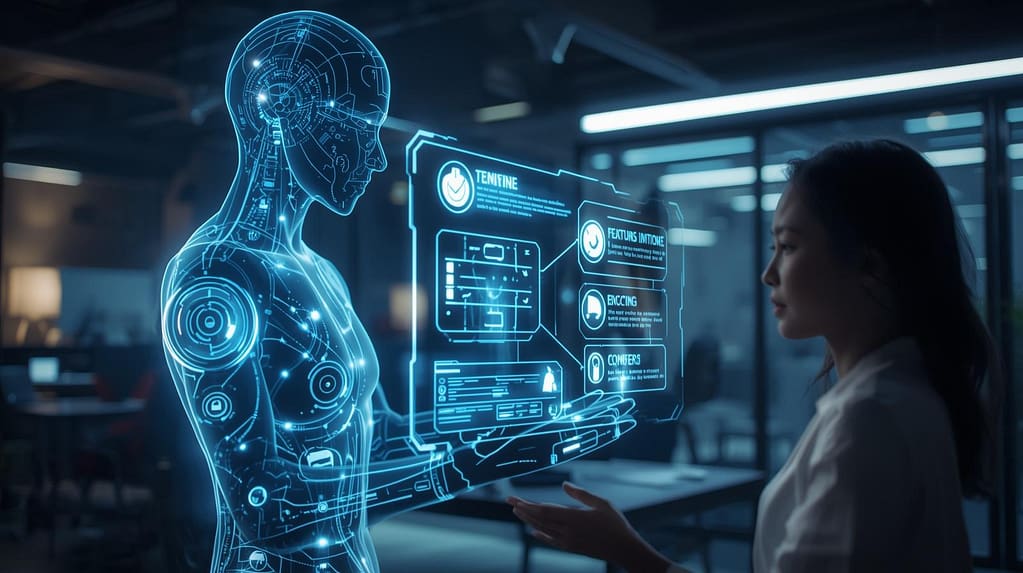
Now shaping daily interactions, artificial intelligence moves beyond simple responses. Instead of waiting, these systems anticipate needs – making choices without constant direction. What stands out lately? Not faster processors or sharper screens. Rather, machines acting independently, guided by learned patterns. With each task completed proactively, control shifts subtly toward software that learns. One thing becomes clear: capability now hides less in circuits, more in decisions made ahead of time.
Decisions emerge from patterns in prior choices, shaping how these tools manage schedules. Through learned habits, message replies form without direct input. Task coordination unfolds quietly in the background. Preferences guide actions when oversight steps back. Responsibility shifts where attention does not reach. Systems act where human effort once stood alone.
This shift moves beyond simple engagement, into assigning responsibility. Rather than guiding each action manually, technology operates beneath the surface. Routine duties are managed without intervention. What once required direction now proceeds on its own.
With progress in these systems, frequent phone checks grow unnecessary. What powers the device matters more than the device itself.
Screenless Computing Devices
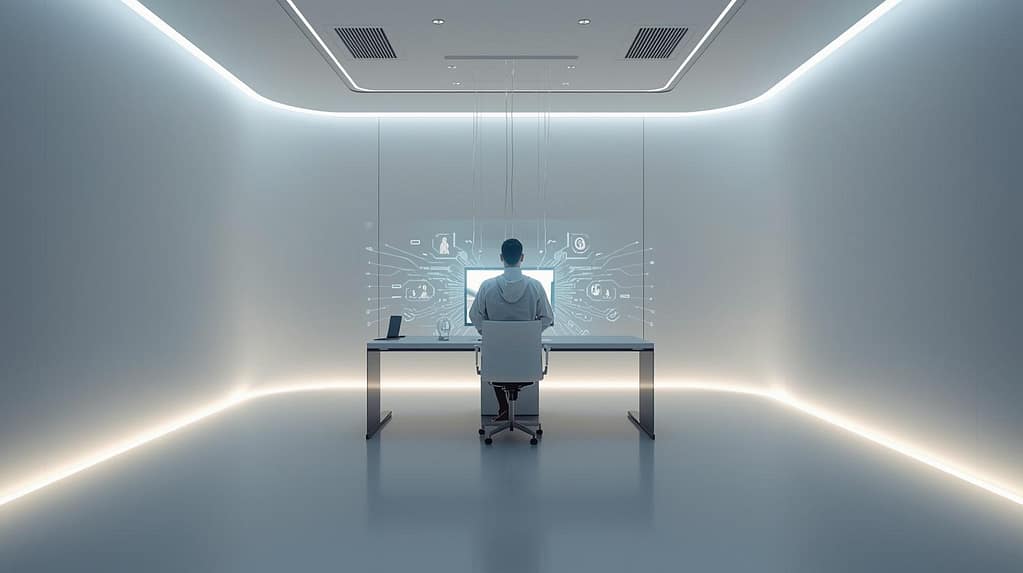
Into homes by 2026, devices without screens begin appearing more often. Instead of displays, they respond to spoken words, surroundings, their environment. Voice becomes a primary path. Awareness of context shapes responses. Sensors track presence, movement, shifts nearby. Interaction evolves beyond touch, beyond sight. Such tools adapt quietly. They operate alongside daily routines. Not every machine needs a face anymore.
One goal stands clear: fewer interruptions, smoother interactions. Because there is no display, scrolling fades into absence. Attention stays undivided when alerts do not intrude. Checking updates becomes unnecessary in this quiet setup. Distractions lose their grip where screens once ruled.
Information appears only when needed; work proceeds unseen. Such methods fit within a growing shift – technology functions softly, requiring little attention. Quiet operation becomes the norm, tasks finish without notice.
In some cases, engagement with digital systems becomes clearer when approached differently. A shift occurs, where attention narrows but improves. For certain individuals, balance follows from this adjustment. The experience feels less draining, more deliberate. Clarity often emerges through restraint rather than addition.
AI wearables tracking health patterns
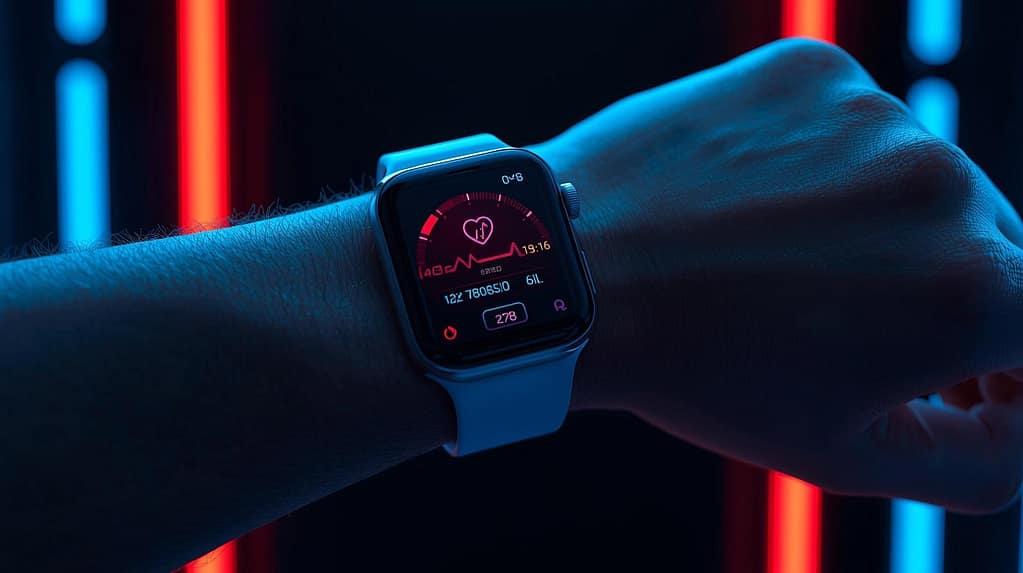
Health monitoring changed once through wearables; now a new phase emerges with foresight functions. Not merely storing information, today’s versions study trends while forecasting possible concerns. From pattern recognition comes an ability to project future states before symptoms arise.
With each beat, a device tracks pulse, rest patterns, tension markers, along with movement throughout the day – afterward offering observations drawn from collected details. When irregularities appear, certain setups identify subtle warnings before issues grow, guiding toward earlier responses.
Now, devices act differently. Instead of sitting idle until used, they respond as situations unfold. With quiet precision, each step is met with timely feedback. Their purpose shifts – not just reacting, but helping while things happen.
With broader functions emerging, dependence on phones may decline when tracking well-being through wearable devices. Still, shifts in daily habits might follow as technology takes on more personal monitoring roles.
The Rise of Hidden User Experiences
What might change everything? A shift to hidden controls. Screens disappear. Buttons vanish. Devices take new forms. Interaction blends into surroundings. The space around begins to respond. This is how environments start to engage.
When movement occurs, sensors relay signals to artificial intelligence platforms through networked hardware. As a result, illumination levels shift by themselves. Information displays at appropriate moments instead of waiting for input. Completion of actions happens independent of verbal or physical prompts.
One might think this idea belongs to a distant future, yet simpler forms now exist inside modern homes and offices. With progress in tools and systems, boundaries separating gadgets from surroundings tend to fade gradually.
A quiet presence defines this world – technology fits within routines, never interrupting. Though tools are nearby, they stay unnoticed unless needed.
Conclusion
One thing stays certain: the smartphone won’t vanish quickly. Still, it ranks among the globe’s most flexible tools, commonly held and operated. Yet assurance of its leading role has started to fade.
With each passing day, devices driven by artificial intelligence reshape how people engage with digital tools. Instead of relying on taps and touchscreens, they respond through environment awareness and automated routines. Though slow to catch attention, their spread could gain speed once more individuals begin using them regularly.
This moment matters because of shifts in human connection to tools, not only the tools. Interaction now leans toward cooperation rather than dominance.
History repeats itself in quiet ways. When subtle changes gain momentum, they eventually reshape what we rely on. Should today’s trajectory hold, familiar tools could fade as different methods emerge. The smartphone might slowly step back while fresh approaches move forward.
One possibility lies beyond the idea of one main gadget shaping what comes next. Rather, functions might spread through various connected tools operating quietly alongside daily routines. These elements cooperate without drawing attention, blending into habits where needed. Seamless coordination becomes noticeable only when missing. What matters is how pieces align behind ordinary moments.