


Imagine being present at a gathering where only Mandarin is spoken. Without knowing the language, understanding seems impossible. Yet nearby, a device records each utterance instantly. Instead of silence, words appear on its screen – converted into English as they happen. Key moments emerge in short statements, organized without effort. This occurs during the session, not after. Interaction with software is unnecessary. Physical controls stay untouched. Connectivity to remote networks plays no role. This reality exists today. What operates within top-tier AI phones in 2026 functions immediately at first launch, without delay or setup. Not waiting for updates, already active.
For years, phone makers focused heavily on numbers, megapixels, how fast screens update, speed scores – that meant little during everyday usage. Now, those days belong to the past. Intelligence defines what sets one device apart from another; ignoring this shift grows harder by the day. In 2025 alone, more than 370 million AI-capable phones reached customers worldwide, claiming three-tenths of all sales, while estimates suggest such devices will dominate over seventy percent within four years. Not merely adding small smart tricks to old designs, these machines operate differently at their core: powered by specialized chips trained for neural tasks, capable of executing immense calculations each second. Instead of relying on distant servers, they run advanced artificial intelligence locally, keeping personal information contained inside the hardware itself.
Whether your upcoming device includes artificial intelligence is not up for debate. That inclusion is certain. What remains uncertain is which model reshapes routine tasks so clearly you see the shift within days. Listed below: seven handsets leading in 2026, distinct strengths defining their value, plus insight into which fits naturally into everyday carry.
What Sets a Real AI Phone Apart From the Hype
Every shop selling phones by 2026 displays models labeled as AI-powered. Truth applies, though only just barely. Machine learning appears mainly within photo functions. A spoken command tool exists inside each one. Predicting words during typing is standard across devices.
These phones stand apart due to one clear technical trait. Owing to advanced Neural Processing Units found within processors such as the Snapdragon 8 Elite Gen 5, Tensor G5, and Dimensity 9400, artificial intelligence operations increasingly occur directly on the handset instead of relying on distant servers. Such an arrangement holds significant weight for three distinct causes. Speed leads the list – processing locally avoids delays tied to data traveling back and forth across networks. Privacy follows closely; personal images, spoken words, written texts, and behavioral patterns stay confined to the user’s own gadget. While network dependence fades, control remains where it began – with the individual. When signals fail, function remains. Phones able to operate without network access rely on internal processing power alone. By 2026, top models feature embedded systems advanced enough to adapt closely to individual patterns. Performance feels personal, not programmed. Intelligence lives within the device, active regardless of connectivity status.
1. Samsung Galaxy S26 Ultra Fully Equipped AI Phone
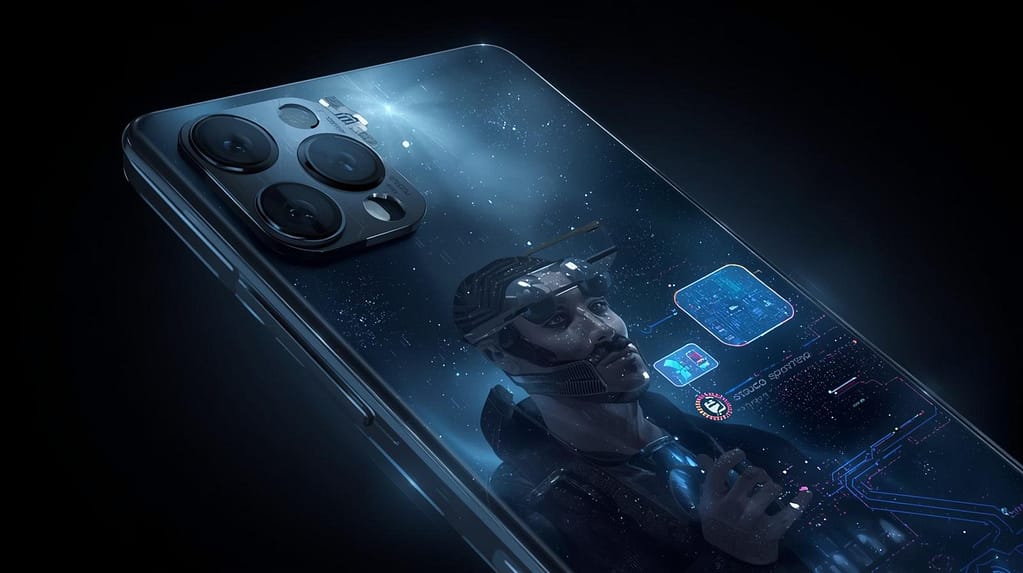
Should one device stand out by handling every task with top-tier precision, then 2026 belongs to the Samsung Galaxy S26 Ultra. Emerging directly from the February 2026 Unpacked event, this model shifts direction through a sleeker titanium frame. Its core strength lies in the new Snapdragon 8 Elite Gen 5 processor – built on 3nm tech – that lifts NPU power by 40 percent compared to earlier versions. Such gains make instant video translation feasible; they also unlock tools like AI-driven sketch rendering. Performance advances do not feel abstract here, rather shape how tasks unfold each day.
What sets Galaxy AI apart is its scope – Samsung’s broadest artificial intelligence system yet, built into current smartphones. Through spoken requests, Cross-App Actions carry out tasks across several apps at once, removing the need to shift manually from one screen to another. Without touching the device, telling it to locate a top-rated eatery close to where you are staying and pass the location to someone happens fluidly, drawing data from different services seamlessly. By 2026, gestures control the S-Pen more accurately thanks to ultra-wideband upgrades under the name Air Motion 2.0, enabling fine interaction within AR spaces. Images taken at great distance gain sharpness and texture through intelligent zoom methods, achieving results previously linked only to specialized long-range lenses.
Despite its size, Samsung’s Galaxy S26 Ultra maintains endurance through smart energy allocation. Rather than draining quickly, it focuses resources on active applications while limiting background processes. This balance allows sustained performance during intensive artificial intelligence operations. One reason it suits demanding environments is reliability under load. Business workers find value here, also those who push devices beyond typical limits. Price matters less when capability takes priority. A top-tier option exists for people seeking unmatched function.
2. Apple iPhone 17 Pro Max Favored by Filmmakers for Strong Privacy
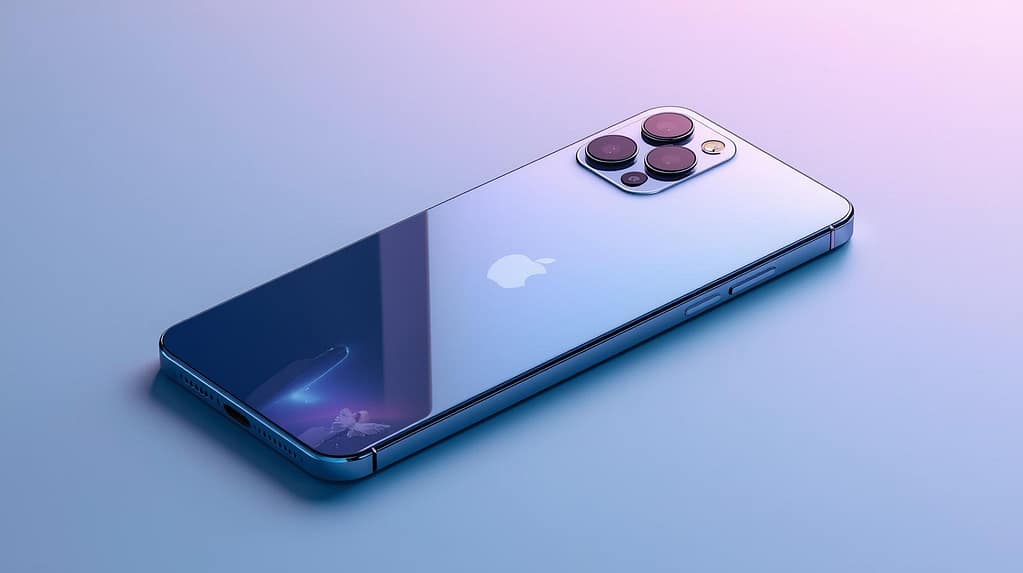
By 2026, while others focused on expansion of capabilities or artificial reasoning, Apple placed emphasis on reliability. Instead of stacking functions like Samsung or enhancing algorithms as Google did, confidence became the core design principle. Performance remains stable under load due to a redesigned thermal system built around the A19 Pro processor – especially during extended 8K ProRes capture sessions. A fresh approach to optics appears in the form of a 48-megapixel periscope unit capable of true 8-times magnification without shifting lenses. The updated front layer, called Ceramic Shield 2, resists surface damage far better than before, with clarity enhanced through a finish similar to high-end display panels.
Built directly into the system software, Apple Intelligence avoids being an add-on. Within each text-based application, rewriting, checking grammar, or condensing sentences emerges as a seamless option. Adjusting brightness, deleting unwanted items from photos, even generating visuals from written cues – these come alive through smart image processing. By 2026, what users experience with Siri differs sharply from earlier forms; memory of prior exchanges surfaces naturally during dialogue. Understanding intent becomes possible because meaning carries forward across interactions. Instead of isolated commands, conversations unfold smoothly while actions trigger inside various programs. A collaboration formed with Google brings Gemini’s abilities into Siri’s flow. This happens via Apple’s secure cloud environment, preserving data boundaries at every step. Privacy safeguards remain intact although advanced artificial intelligence runs behind scenes. Combining rigorous protection policies with high-level model performance redefines expectations quietly. Not loud announcements but steady integration sets this evolution apart.
Appearing awkward in images, the updated camera bar proves surprisingly comfortable during daily use. Favored by those producing digital media, recording visuals, prioritizing data protection, or relying on interconnected Apple devices.
3. Google Pixel 10 Pro Is Very Advanced
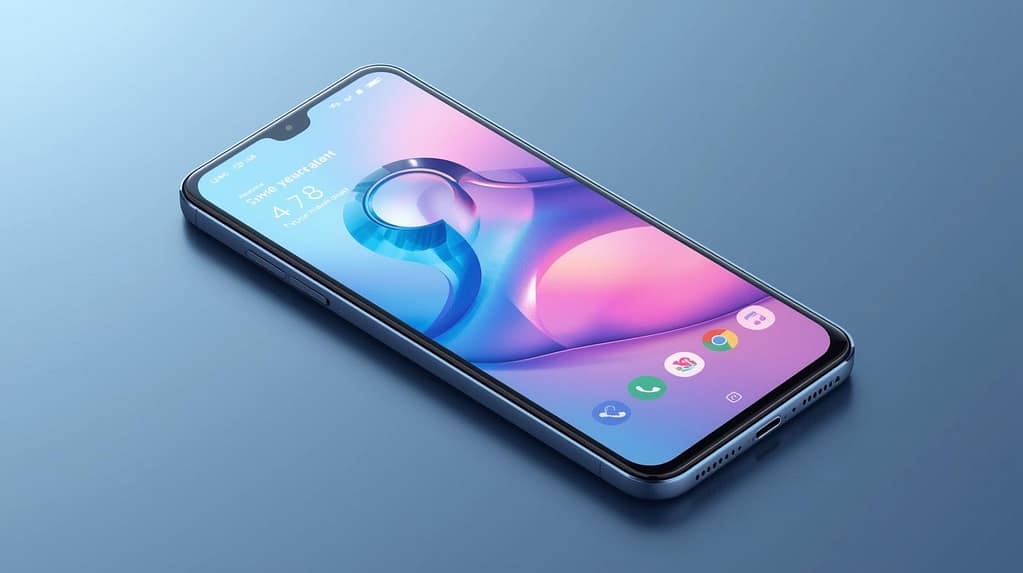
Not everyone judges a phone by how it appears during evening meals. Effectiveness throughout daily tasks matters more to some. Among devices available in 2026, one stands out for these users. The Google Pixel 10 Pro meets their needs without question. Its value shows not in shine, but in steady performance. A quiet tool, built for results rather than attention.
First to include Google’s self-developed Tensor G5 chip, built using TSMC’s 3-nanometer production method, the Pixel 10 Pro shifts focus from online reliance. Instead of depending on remote servers, it handles high-level Gemini Nano operations locally. Front and center stands Gemini Live 2.0 – an alert helper capable of interpreting scenes via the rear lens. When aimed at objects like malfunctioning machinery, confusing software lines, or foreign-language dining options, it delivers instant spoken feedback. Aim the lens toward any challenge; resolution starts unfolding even as thoughts form.
With Android 15 installed at launch, the Pixel 10 Pro and Pro XL receive seven years of OS and security upgrades – this long support period supports their higher cost more convincingly than many rivals do. Instead of relying solely on hardware tricks, Google emphasizes its Perfect Shot ISP – a processing unit that nearly removes delay when capturing images while restoring fine textures in near-dark scenes where competitors fail. Before ringing, incoming calls undergo automated review; suspicious ones are intercepted, revealing real-time transcriptions so decisions about answering happen with full awareness. Typically suited for those deeply invested in Android ecosystems, individuals prioritizing efficient workflows, software builders testing environments, or people valuing highly aware voice helpers inside mobile devices.
4. Samsung Galaxy Z Fold 8 Merges Phone And Tablet Functions
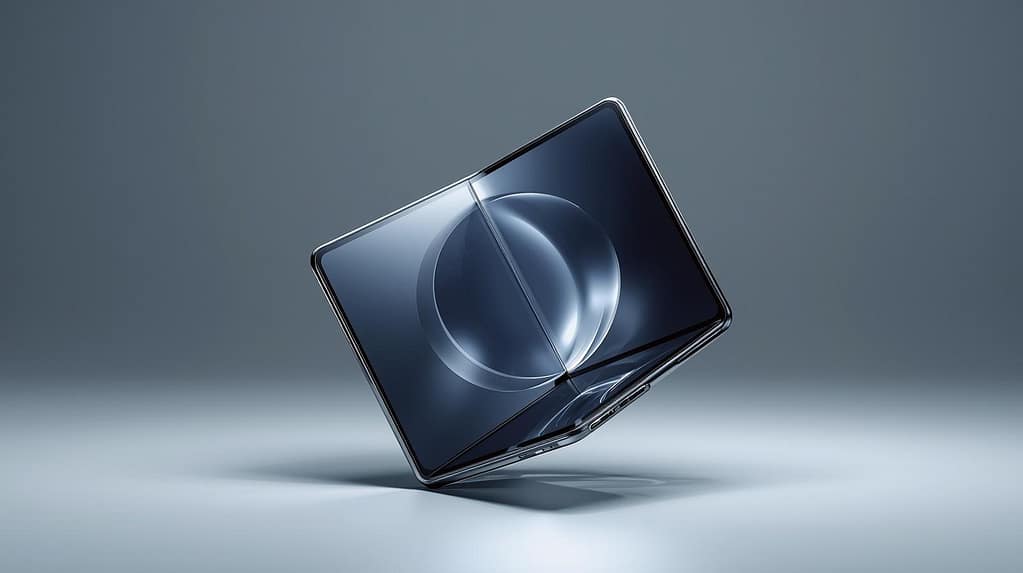
Now, in 2026, folding phones finally work without compromise. Not odd gadgets anymore, devices like the Galaxy Z Fold 8 perform real tasks. Because screen fatigue fades when one tool does what two once did, more workers choose simplicity. Among those avoiding double baggage, tablets lose purpose slowly.
Opening the device reveals a 7.6-inch internal screen, offering space where viewing files, adjusting clips, or handling several programs at once becomes smooth instead of strained. Notably, Galaxy AI shifts functions based on posture – folded or open – learning app patterns across forms, presenting suitable features in fitting arrangements absent any user input. Mid-fold, the intelligent flex setting engages, dividing the interface into zones fine-tuned for live chats, cooking steps, or audio control, each setup appearing intentional, not accidental.
The camera system – once a limiting factor in the Z Fold range when measured against the Ultra models – now benefits from identical artificial intelligence enhancements powering the S26 Ultra’s standout image quality. Ideal for business leaders managing trips across time zones, legal or corporate staff examining agreements outside the office, people simply preferring more screen space than standard smartphones offer yet avoiding tablet bulk.
5. Xiaomi 16 Ultra Delivers More Without the High Price
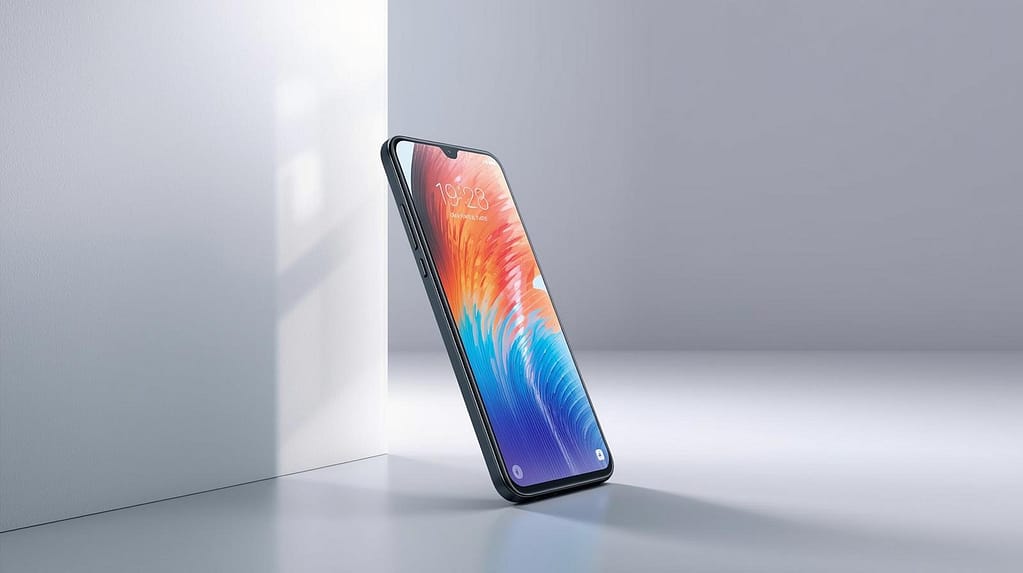
A fresh entry arrives each year from Xiaomi, unsettling high-end norms. This time, the model stands as the brand’s 2026 challenger. Among current releases, its imaging components lead – measured strictly by specifications. Speed defines the power experience, where few match its charge rate. Enthusiasts focused on numbers will find little above it.
The collaboration with Leica shapes a camera setup unmatched in scale among smartphones released this year. Capturing light becomes easier thanks to a sensor sized at one inch – larger than those found in rival models. In low-light scenes, artificial intelligence sharpens detail while competitors deliver grainy results. Power returns swiftly; reaching full charge from empty takes just under twelve minutes using the 300-watt method. Speed alters habit: instead of scheduling recharges, they happen casually during brief moments near a charger.
Despite trailing Samsung’s Galaxy AI in maturity, Xiaomi’s artificial intelligence tools progress quickly – especially within image processing. Camera systems now adapt through learned behavior, adjusting settings based on individual habits over time. Real-time language conversion improves with minimal delay, aiding cross-language communication seamlessly. Performance management evolves quietly in the background, shifting power where needed without user input. Those drawn to advanced photography may find value here first. Early technology users often explore such platforms before wider release cycles. Flagship-level capabilities arrive at costs beneath Apple and Samsung peaks, appealing to budget-conscious buyers seeking high-end function.
6. Google Pixel 9a – AI features under five hundred dollars
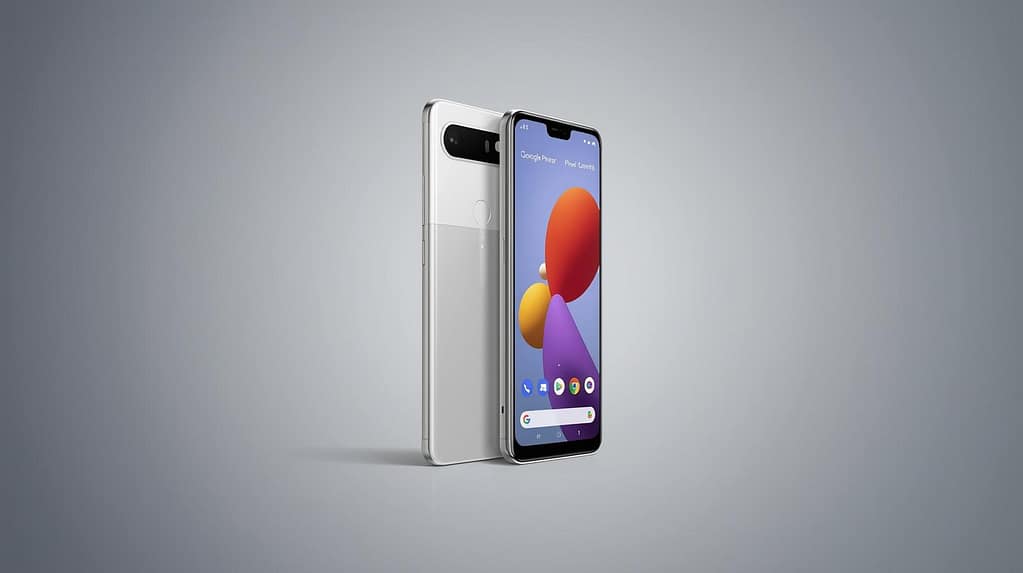
Truth stands clear despite what makers suggest: spending twelve hundred dollars becomes unnecessary for strong AI performance in phones by 2026. Though high prices persist, capability hides within lower-cost models just as easily. Because innovation spreads fast, top-tier features appear far beyond premium brands. Since competition grows, value rises across the entire market. While some pay more, others gain equal power without the cost. Thus affordability meets function sooner than expected.
A modified Tensor G5 powers the Pixel 9a, bringing nearly all key AI functions found in the pricier Pixel 10 Pro. Instead of relying on cloud processing, Gemini Nano operates directly on the phone. Incoming call filtering remains functional without interruption. Transcription during conversations updates instantly as speech occurs. Though compromises appear here, the imaging system still outperforms many premium models released just two years prior. Power endurance, once a consistent shortcoming across past A-series versions, now lasts notably longer thanks to intelligent adjustments shaped by personal habits over time.
Should your current device be older than two years, yet spending top-tier amounts feels unnecessary, consider the Pixel 9a – its integration of Google AI stands out among Android options today. Ideal for those mindful of cost, learners managing expenses, individuals replacing their first handset, or users seeking Pixel-powered intelligence at less than premium rates.
7. Nothing Phone 3a An Android With Quiet Confidence
The Nothing Phone 3a arrives as if it were always meant to exist – solid performance housed in bold looks, lit by Glyph patterns that stand apart, yet priced with restraint. This model steps forward not just through metal and glass but via intent: an Essential Key now sits where gesture once ruled, waking a suite of tools shaped around calm utility.
What form must an AI helper take inside a mobile device? That query shapes The Essential Space by Nothing. Instead of copying features found in Samsung Galaxy AI or Google Gemini, the company designed a distinct approach. A constant presence operates quietly, noting reflections across hours. It gathers surroundings subtly, presenting insights once they matter – without waiting for prompts. Communication occurs through the Glyph system. Light patterns along the rear panel signal alerts without sound. This method counts among rare physical innovations in handsets since the era of the notch began in 2018.
The Nothing Phone 3a includes standard Android AI tools such as Circle to Search along with Gemini Live; however, its standout trait lies in the Essential Space – a feature exclusive to Nothing devices. Unlike high-end models from Samsung or Apple, this element offers an experience unreachable through cost alone. Ideal users include those attentive to aesthetics, individuals seeking a distinct physical presence in their handset, also tech enthusiasts drawn to emerging patterns prior to widespread adoption.
Which AI Smartphone Is Worth Buying?
Depending on personal priorities, the right choice shifts completely. What matters most shapes which device fits best. Samsung’s flagship stands out when capability takes priority above all else. No limits define its approach to artificial intelligence in handheld form. A different path emerges where privacy governs decisions. Apple’s top model answers those who trust only proven environments. Seamless interaction within an established network often guides such users. Experience matures over time inside closed systems. Productivity gains follow another route entirely. Google’s latest adapts to routines without demanding change. Workflows improve quietly under consistent conditions. Android meets focused efficiency through deliberate design. Camera performance reaches new ground elsewhere. Xiaomi challenges assumptions through sheer hardware strength. Photography transforms when optics push beyond norms. Perception alters once lenses exceed expected boundaries.
Nowhere near acceptable anymore: standing still. By 2026, artificial intelligence does not simply add to phones – it underpins them entirely. One device runs real smarts where processing happens locally; another attaches smart functions onto outdated designs – this difference reveals itself daily. Meetings appear as written records without effort. Incoming calls undergo automatic review before ringing. Now clarity replaces what once looked foggy or dim. What used to hesitate in shadows stands defined. Words begin themselves, shaped before intention arrives. Phrasing forms ahead of thought, waiting only for confirmation.
During the past year and a half, smartphones changed without fanfare. Should your device be older than that shift, what you hold is not an outdated version. It belongs to another class entirely.