


In 2026, the Internet of Things (IoT)operates silently beneath everyday life, woven into how homes function, how companies run, and how patients receive care. Instead of speculation, it now shapes urban design, guides traffic flow, and supports medical monitoring without drawing attention to itself. Far removed from flashy labels, it works through constant connections between devices that communicate quietly across sectors. Its presence feels natural – built into routines, not announced, simply part of what makes systems respond, adapt, adjust. No longer discussed as something coming soon, it already underpins much of what keeps cities moving and industries operating.
Even household gadgets now help balance power networks – without human input. Devices across factories detect costly breakdowns ahead of time. These linked tools quietly change economic patterns worldwide.
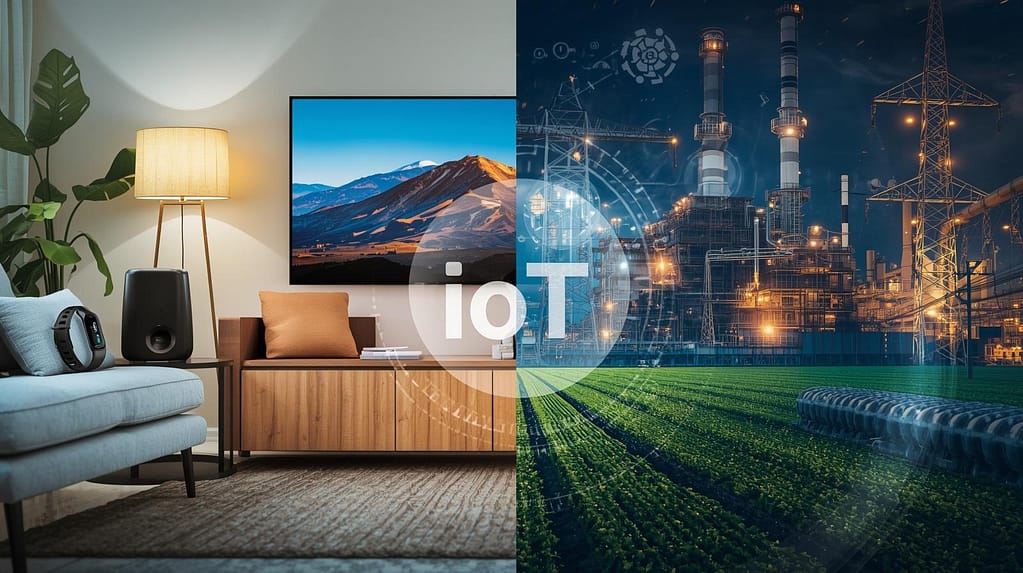
Connected machines tap into online networks, gathering data while operating independently. Because they exchange insights instantly, performance improves steadily through constant feedback loops. Efficiency grows as each device learns from incoming streams of real-world inputs. Over time, responsiveness sharpens – driven by seamless communication across distributed nodes.
With more than 40 billion devices now linked worldwide, the Internet of Things shapes far more than daily ease. Because its reach extends into nearly every sector, it powers fundamental shifts in how industries operate. This guide unpacks what IoT means for society and business in 2026 – beyond gadgets and apps. While some see networks of sensors, others witness a quiet overhaul of systems once thought complete.
What Internet of Things Means Now
Back then, the Internet of Things meant basic gadgets linked via the web – say, a phone switching on a lamp. Now? It’s grown into something sharper: AIoT, where intelligence shapes how devices interact.
Not so long ago, gadgets merely gathered information – now, they interpret it. By 2026, today’s connected devices run on a blend of four essential tech advances working together
Artificial Intelligence (AI) & Machine Learning: Fueled by data, machines now spot trends without human guidance. Decisions emerge through repeated exposure to examples. Pattern detection replaces rigid programming rules. Learning happens incrementally, shaped by feedback loops. Autonomy grows as systems adapt to new inputs.
Edge Computing: Faster responses happen when devices handle information right where it’s collected – no need to wait for faraway servers. Decisions occur instantly because computation stays local, avoiding delays from long-distance transfers. Immediate feedback becomes possible since data does not travel beyond the machine generating it.
Cloud Integration & Big Data: Handling vast amounts of past information through cloud networks enables stronger algorithm development while allowing broad monitoring across worldwide operations.
High-Speed Wireless Networks (5G Advanced & Wi-Fi 7): Streaming data through airwaves at unprecedented pace, 5G Advanced and Wi-Fi 7 enable dense clusters of gadgets within tight urban spaces to stay linked steadily. Though built differently, each handles vast flows so tightly packed zones avoid signal failure. Where older systems falter under pressure, these standards maintain flow even when device counts soar beyond expectation.
Working together, these tools help machines handle intricate information on-site, enabling quick choices that save lives and reduce expenses. Though separate in function, their combined effort supports instant analysis without relying on distant systems. Local processing becomes feasible when each component complements the others quietly. Speed matters most where delays risk outcomes – here, timing shifts from convenience to necessity. Decisions unfold rapidly because layers of technology align behind the scenes.
Smart Home Devices Work Together
A decade ago, smart homes stood out as IoT’s flagship example. Yet by the early 2020s, that version had already begun fading – users juggling countless apps for separate gadgets signaled its decline.
Matter and similar open frameworks let today’s home gadgets – made by separate companies – connect without hiccups, quietly simplifying routines. Though built differently, they respond as one when triggered. Smooth coordination emerges even across brands, reducing friction in everyday tasks.
Smart Home Apps Get New Features
Home heating systems now adjust automatically, using daily routines along with live data on temperature shifts outside. These smart thermostats track changing power costs throughout the day, choosing moments when electricity is less expensive. Instead of relying only on set patterns, they respond to conditions as they happen. Weather predictions help decide when to start warming or cooling spaces ahead of time. Efficiency comes not from timing alone, but by combining forecast details with actual usage trends. Decisions unfold based on multiple inputs working together behind the scenes.
A sudden movement triggers the camera – but it waits, watches. Only when behavior matches known threat patterns does the system respond. A wandering animal passes by; nothing happens. A courier approaches, leaves a package, walks away; still silence. But if motion turns erratic, doors secure themselves mid-second. Alerts go out only then, routed straight to emergency contacts and local responders. Recognition runs on learning algorithms refined over time, reducing mistakes humans might make. Each decision builds on prior events, yet every incident stands alone in evaluation. Response follows certainty, not guesswork.
A shift in light warmth through the day may support better rest. These systems tune brightness and shade using body-clock patterns. One moment they glow cool, next warm, following natural rhythms. Changes happen quietly, matching daylight’s flow. Sleep often feels deeper when illumination shifts like sunrise and sunset. Body signals respond to these subtle transitions. Light behaves differently here – less fixed, more fluid. Rest cycles tend to stabilize under such conditions.
A fridge might sense worn components, then trigger a spare part delivery ahead of failure. Washing machines could monitor internal stress points, alerting suppliers when replacements are needed. These devices act early – avoiding disruption by anticipating mechanical decline. Some systems initiate orders without user input, relying on embedded diagnostics. Failure prevention becomes routine, built into daily operation through predictive checks. Parts arrive before damage escalates, reducing downtime. Intelligence inside appliances enables foresight, shifting repair from reaction to prediction.
The Direct Benefits:
Fewer kilowatts used means less money spent on power each month.
Everyday tasks become simpler with quiet systems working behind the scenes.
A stronger lock means fewer worries at night. When doors hold firm, thoughts settle easier. Confidence grows where risks shrink. Fewer concerns enter when barriers work well.
A single hub manages spoken commands alongside phone-based inputs across all areas of the site. Different access points respond to verbal prompts through one unified system.
Smart cities using data to manage urban systems
With more people moving to cities, local systems now rely on networked devices just to keep up. Devices talk to one another across urban areas, adjusting water, energy, or traffic flows without waiting for human input. These setups help neighborhoods run smoother even as demands grow. Information moves fast between machines, making small decisions that add up to big improvements over time.
Smart City Tech Highlights
Instant updates flow through smart intersections, where cameras plus sensors shape signal timing on the move. These networks ease crowding by reacting within seconds. When sirens approach, routes open without delay – guided by live inputs across connected devices.
Sensors inside bins detect how much waste has accumulated, triggering alerts once containers reach their limit. When fullness hits a threshold, signals go straight to city crews, eliminating routine checks. This shift means trucks travel fewer miles, hitting only those spots needing service. Fuel use drops sharply under this setup, cutting both costs and emissions. Routes reshape themselves around real demand instead of fixed schedules. Cities begin conserving resources without changing infrastructure. Efficiency grows quietly behind the scenes.
Sprawling neighborhoods host tiny sensors tracking air conditions – alerts pop up on phones when pollen spikes. Where toxins rise, devices detect shifts before people feel effects. These networks hum quietly beneath streetlights, feeding data through invisible threads. Radiation checks happen without fanfare, woven into daily movement. When dust floats high, warnings arrive unannounced. Each block contributes whispers to a larger picture. Citizens receive updates not because systems demand attention – but because timing matters.
A single drip inside an old pipe often goes unnoticed – yet networks now sense it instantly. Hidden within urban arteries, small devices track shifts few see coming. When flow stutters or pressure slips, warnings emerge without delay. These quiet alerts stop massive ruptures before they start. Lost water shrinks dramatically under constant digital watch. Millions of gallons stay put each year because tiny signals get attention fast.
The Urban Impact:
City spending drops sharply when operations run more efficiently.
Fewer carbon emissions show up clearly on city monitors. Air quality improves where traffic once choked streets.
Public services that react quickly tend to work better.
A noticeable improvement in daily living conditions became evident. People experienced smoother routines, better access to services appeared gradually. Comfort grew without dramatic changes. Small upgrades led to steadier satisfaction across neighborhoods.
Factory machines connected online work together automatically
Fueled by machines that talk to one another, factories, farms, and massive production sites are shifting into a fresh era. Referred to as IIoT – short for Industrial Internet of Things – the field pulls more funding than any other corner of connected tech. Though silent, these networks reshape operations beneath the surface. Their reach grows quietly, embedded within sensors, robots, and control systems across vast industrial landscapes.
Nowadays, factories lean on Digital Twins – virtual copies that mirror actual equipment or full production areas, constantly refreshed through data from networked sensors. Real-time updates flow into these models via Internet-connected devices embedded across machinery.
How IoT Works Now
Vibration, heat, and sound from robotic systems in factories get tracked by sensors. As the information flows in, artificial intelligence detects patterns that reveal upcoming gear issues. When a problem looms, repairs are set for non-operational periods. This timing avoids interruptions in manufacturing. Unexpected failures become rare, keeping operations steady.
Fresh stock arrives before shortages occur – smart labels plus shelf scales track goods, signaling vendors once amounts fall short. Inventory stays balanced without manual checks, thanks to live data sharing between storage units and providers.
Safety gear on job sites now includes smart helmets and vests. These tools track body signals while watching for dangerous gases nearby. When machines move without drivers, the clothing helps maintain space between them and people working close by.
Farms now rely on soil probes tracking wetness and food elements, where data flows into drone systems activating targeted watering – each drop serving measured ground. This sharp focus lifts harvest totals beyond traditional methods. Machines respond precisely, skipping areas already sufficient, reducing waste while boosting plant output. Every zone gets attention based only on real-time need, guided by constant underground feedback.
The Business Impact:
Unprecedented increases in manufacturing productivity.
Fewer surprises when machines fail. Equipment runs without sudden stops. Breakdowns almost vanish over time. Reliability grows quietly but steadily.
Global supply chains are becoming leaner, more intelligent, yet surprisingly tough under pressure.
Transportation and Future Logistics
Fleet movements now respond before delays occur, thanks to live data streams reshaping oversight across supply chains. Instead of waiting for issues, teams adjust routes the moment conditions change.
Critical Applications in Transportation
Frozen supply chains rely on smart sensors inside shipping units to constantly check temperature during the transit of medicines and perishables. When cooling systems stop working, notifications go straight to drivers through connected devices. A new route appears automatically, guiding vehicles toward the closest place where items can stay chilled safely until help arrives. Damage gets limited before it spreads across entire batches.
Driving machines able to exchange data through wireless links with surroundings – like nearby autos, street signals, or walk zones – to reduce crash risks. These systems rely on instant updates from infrastructure and moving objects around them, improving reaction time beyond human limits. Information flows both ways, allowing each vehicle to adjust speed or path based on real-time conditions spotted ahead. Instead of depending only on cameras or sensors onboard, they pull inputs from external sources constantly transmitting status details. Such connectivity supports smoother traffic flow while lowering chances of sudden stops or misjudged gaps.
Fleet operations now track alertness behind the wheel through connected sensors. Instead of guessing, they study how drivers handle vehicles to cut down on fuel waste. When storms appear or roads clog up, routes shift automatically using real-time conditions. Information flows without delay, helping trucks avoid delays caused by nature or congestion.
Operating nonstop, smart ports rely on internet-linked cranes alongside self-driving transport units to handle freight vessels without crew input. These hubs function through constant digital coordination instead of manual oversight. Automation enables round-the-clock loading plus unloading using machine networks. Equipment communicates in real time, adjusting tasks without delays. Zero personnel are present during active operations. Processes unfold based on sensor data rather than human decisions.
Hospital devices connected online
Now imagine hospitals where devices talk quietly across rooms, sharing updates without human help. This quiet exchange builds the core of medical internet tools often called IoMT. Instead of waiting for symptoms to appear, care begins long before illness shows. Monitoring happens all the time, not just during visits. The old way treated emergencies; today’s approach prevents them silently.
Life-Saving Medical Devices:
Not just counting steps anymore, today’s wearable devices keep an eye on blood oxygen levels. Medical-quality ECG readings come straight from a wristband. Some even catch signs of irregular heart rhythms – like atrial fibrillation – before any discomfort begins.
A single number outside the safe range can prompt immediate review by a clinician. Devices track vital signs at home without requiring clinic visits. When readings shift, notifications reach care teams through secure systems. Some tools measure glucose; others check circulation over time. Information moves continuously from patient to provider. Risk rises when values stay abnormal, yet early warnings help reduce complications. Monitoring happens in real time, improving response speed.
Equipped with sensors, smart hospital beds track body weight, shifts in position, and key health signals over time. When someone at risk of falling tries to get up, staff receive an instant notification. Instead of staying fixed, these beds change their tilt dynamically – helping avoid pressure injuries. Movement detection plays a central role in how they adapt during long stays. Adjustments happen without manual input, guided by real-time data flow.
Tracking assets becomes simpler when hospitals attach smart tags to vital tools – defibrillators appear on digital maps within seconds. Temperature checks for transplant coolers during movement happen automatically through connected sensors. Equipment locations update in real time using wireless signals across facility networks.
The Healthcare Impact:
Faster diagnosis is now possible through artificial intelligence, and accuracy improves noticeably. Speed increases sharply when machine learning supports medical evaluation. Precision rises significantly with algorithmic assistance in healthcare settings.
Fewer patients are returning to hospitals. Stays inside facilities now take less time.
Democratized access to healthcare through remote monitoring.
Hidden Risks in Everyday Connected Devices
Even with clear benefits, connecting countless devices creates new security challenges never seen before. Weak spots in any system matter – when one device fails, everything connected might follow. A hacked temperature sensor could open doors straight into company records.
The Major Vulnerabilities:
Fallback settings linger on budget-friendly gadgets – often locked in place without user control. These preset keys rarely get updated, leaving entry points open by design.
A wave of compromised household gadgets now powers large-scale online disruptions. Criminals take control of poorly protected internet-connected tools. These seized devices overwhelm big web platforms with traffic floods. Networks buckle under sudden surges in data requests. Once harmless appliances turn into digital weapons. Attack patterns reveal widespread weaknesses in everyday tech.
Constant oversight involves gadgets gathering deeply private details, including physical traits. Though useful, such tracking captures intimate information without pause. Because of this, personal records remain at risk across digital spaces. While intended for security, these systems record identity markers nonstop. Even when not actively used, sensors log unique bodily signals repeatedly. Since data flows freely, exposure to misuse grows steadily.
Firmware upgrades often fail on older IoT systems due to limited onboard processing power. While some devices cannot support wireless patch delivery, others struggle with basic update verification. Because of minimal memory, certain units reject new code entirely. Even when patches are available, incompatible architectures block installation. Without sufficient storage space, critical fixes never reach their target. Some models remain exposed simply because they were built before remote updates became standard. Hardware constraints freeze these gadgets in outdated software states.
Facing rising threats by 2026, industries respond through tighter rules shaped by both public and private efforts. Security requirements grow tougher because regulators push minimum standards into law. Firms must comply or face penalties – no exceptions granted without proof of safeguards. Oversight expands beyond borders since digital risks ignore national lines. Some nations lead, others follow after high-profile breaches expose weaknesses. Compliance drives change more than ethics do across most sectors. Where regulation arrives, behavior shifts – even if slowly at first
Imagine networks where trust vanishes by default – each gadget must prove itself repeatedly, regardless of being linked to the office wireless. Security here breathes skepticism: no automatic approval simply for connecting nearby.
Security built straight into device microchips at the hardware level.
Starting with patterns machines learn over time, systems spot odd actions from devices without delay. When something seems off, isolation happens right away. Learning what typical activity looks like helps flag deviations quickly. Unusual behavior triggers automatic responses based on prior observations. Devices acting out of sync get cut off before risks spread further.
The Backbone of 5G Advanced and Edge Computing
Fueled by expanding networks, IoT’s rapid rise mirrors the systems built to carry it forward.
Despite older 4G systems managing roughly 100,000 connections per square kilometer, today’s enhanced 5G infrastructure accommodates more than a million within identical coverage areas. That leap enables extensive network demands seen in smart urban environments along with large-scale industrial sensor deployments. Crucially, response times drop sharply due to ultra-reliable low-latency transmission built into upgraded 5G standards. Information flows between points arrive within mere milliseconds – fast enough for time-critical operations across automated setups.
When data travels far, delays follow. Because of distance, sending information to a distant cloud can slow responses. An autonomous vehicle spotting someone in its path needs answers now – not after a round-trip to a remote server. To fix lag like this, computation moves into the machine itself. Right where it is needed most – inside the car – the system decides fast without waiting. Only afterward does it send basic reports upstream. Decisions happen first on site; updates come second.
Real-time data flows in today’s IoT systems come alive when 5G connects with edge computing. Networks gain speed, devices respond instantly – latency fades into the background. With processing happening closer to source points, delays shrink dramatically. This pairing reshapes how machines interact, removing old barriers. Instead of waiting, actions unfold immediately across smart environments.
FUTURE TRENDS IN INTERNET OF THINGS?
As we look toward 2030, the trajectory of IoT points toward absolute invisible integration.
Built on tiny engines catching stray signals, light, or motion, these Internet-connected devices run without power cells. Instead of draining resources through endless battery disposal, they pull needed energy straight from surroundings. A shift away from lithium reliance begins quietly here – each sensor a small break from old waste patterns. Power needs met passively, yet consistently, by tapping into everyday physical flows. Not every solution requires storage when the environment feeds function. What was once dependent on replaceable packs now thrives on perpetual nudges from ambient sources.
Inside the body, tiny IoNT sensors guide medicine precisely where needed. These minute devices also embed within construction materials, silently tracking a structure’s health over time. From within walls or blood vessels, they report conditions without disruption. Rather than sitting on surfaces, such sensors operate deep in their environments. Their presence enables monitoring that traditional tools cannot achieve.
With 6G emerging, systems could interact at unprecedented speeds. Holograms might transmit fluidly between users. Machine collaboration may accelerate beyond current limits. Progress in network design opens paths once considered out of reach.
Self-correcting networks of devices adjust operations by generating software responses when issues arise. These smart systems exchange data silently, solving glitches before they grow. Machines act on patterns, rewriting rules as conditions shift. Coordination happens behind the scenes – no person needed to approve each move. Code evolves in real time, shaped by sensor feedback across connected hardware.
Conclusion
Now shaping daily life, the Internet of Things quietly transforms our relationship with machines. By 2026, smart gadgets aren’t rare experiments – they form key parts of one vast, thinking network stretching worldwide.
Fueled by connected devices, daily life transforms quietly – homes adapt before we act, urban areas shed pollution slowly. Medical care reaches further now, treating patients across distances once impossible. Machines in industrial spaces operate without pause, reducing waste dramatically. Despite worries about data safety lingering like shadows, progress continues forward. Benefits of these tools build stronger than fears hold back.
Faster networks, alongside smarter machines, shift how devices blend into daily routines. Hidden yet vital connections emerge quietly beneath common activities. Life adapts without noticing the threads tightening around routine moments.
Frequently Asked Questions
What is the best example of the Internet of Things? A typical illustration of the Internet of Things involves household gadgets that act on their own. One such device updates room conditions by studying habits over time. Because it uses wireless internet, it responds without manual input each day. When your phone signals arrival nearby, the system shifts settings right away. Energy use drops since changes happen only when needed.
What is the difference between IoT and IIoT? IoT generally refers to consumer-grade connected devices (like smart speakers, wearables, and home appliances). IIoT (Industrial Internet of Things) refers to heavy-duty, highly secure connected systems used in manufacturing, agriculture, logistics, and energy grids.
Why is Edge Computing important for IoT? Edge computing allows IoT devices to process data locally rather than sending it to a remote cloud server. This drastically reduces reaction time (latency), which is crucial for applications that require split-second decisions, like autonomous driving or industrial robotics.