


Your home’s privacy might be weaker than it seems. Though devices promise security, hidden access points often exist. Because data flows constantly, boundaries blur without warning. Even trusted gadgets can share more than expected. While convenience feels seamless, risks move quietly beneath. What appears safe may invite unseen exposure.
Most homes today hold gadgets that quietly record daily habits. When you rest, the temperature adjusts itself, learning your routine over time. A knock at the door triggers a camera, saving faces and moments. What holds attention on screen gets noted each evening – moments of joy, sorrow, or boredom caught without asking.
Though designed to simplify routines, everyday gadgets now record habits without clear boundaries. A single command to a voice helper might seem harmless – yet stores patterns across time. Even silent moments get analyzed when sensors monitor movement or temperature shifts. What begins as ease often turns into unseen surveillance. Responses come quickly, true – but each reply depends on stored histories. Homes grow smarter while personal details slip through unnoticed gaps. Behind glowing lights and timed locks lies constant information gathering.
Right now, in countless households, events unfold that sound like plotlines from novels – but they are real. Fear isn’t driving this; facts are. What feels unreal is actually unfolding, day after day.
The Hidden Data Economy Behind IoT Devices
Many IoT gadgets do more than perform tasks. These systems gather information continuously.
Most mornings, a smart thermostat notices the exact moment you rise. It picks up on your departure times too – when the front door closes and footsteps fade down the path. Temperature tweaks matter just as much; each small change gets recorded silently. Some people touch the dial again and again – that behavior stands out clearly over time. Room by room, warmth choices reveal personal comfort zones. Preferences emerge from patterns no one ever speaks aloud. Life rhythms shape what feels normal to the device. Slowly, without words, a full picture forms inside its memory.
Most of the time, a smart television keeps tabs on viewing habits – duration, choices, skips included. Yet tracking goes further: pauses get logged too, along with rewinds and moments when someone quits watching altogether. Certain versions come equipped with built-in cameras, spotting how many viewers occupy the space. Attention itself becomes data, measured by whether eyes stay fixed on the display.
Listening devices store spoken words along with how people say them. Yet these gadgets pick up more than just requests – pauses, laughter, even silence matter too. By recognizing distinct voices, they identify residents without asking. Raised tones or sudden quiet shifts hint at tension among users. What seems like simple listening becomes a subtle map of daily life.
Out there beyond the machine, information travels onward – reaching remote systems that process it, keep copies, while at times passing details along to outside groups.
Imagine a world where tiny gadgets quietly gather data – by 2026, more than 30 billion of these IoT devices are online worldwide. About four per human now exist, scattered across homes, cities, machines. Though small, each links to vast networks, sending steady streams of signals instead of sitting idle.
What Your Smart Home Actually Knows
Exactly what data various types of devices gather can be outlined clearly.
Smart Speakers and Voice Assistants
Every time a wake word triggers them, gadgets like Amazon Echo, Google Home, or Apple HomePod save audio snippets. Yet plenty of people remain unaware that such tools store more than just those moments
Frequency of use patterns Time stamps for every interaction
WiFi signals help identify where a person is. Because of browsing patterns, stores get clues about what someone might buy. Search history links to interests people show online. When apps look at calendar entries, they find timing details. Email content gives hints about personal plans. Devices that share connections add more context. Each piece fits together without standing out
Back in 2024, Amazon confirmed that some spoken interactions with Alexa get reviewed by people. Though only a fraction of recordings go through this process, personal moments might still reach temporary staff overseas. Not every audio clip is examined. Yet, if selected, voices can travel far beyond the home device. These listeners are hired under contract. Their role helps refine how well the system understands speech. Location does not limit where these reviews happen. Workers across several nations take part. Privacy depends on layers of policy. Still, once recorded, control slips slightly from user hands.
Smart Security Cameras
Home security brands like Ring, Nest, and Arlo promise safety. Their devices guard spaces effectively. Yet each one logs daily activity around the clock – capturing more than break-ins or strangers. Footage often holds quiet moments: kids playing, pets moving, neighbors passing by. While intended for alerts, these recordings build up steadily. What begins as monitoring shifts into constant observation. Private routines become stored data without much thought. Every motion triggers another clip saved somewhere online. Though helpful during incidents, access to such records raises concerns. Not everyone knows who views or keeps their video history. Over time, convenience trades off with unseen exposure
Anyone coming into or leaving your house might be noted. When deliveries arrive, along with usual shopping times, these moments add up. License details of cars appear alongside how often guests show up. Movement around the area builds a picture over time. Sounds captured nearby may include private conversations. Faces of residents and those they host can be identified through scans
Midway through 2025, video feeds from more than 150,000 Ring devices were leaked during a widespread cybersecurity failure. Private scenes – bedrooms of kids included – appeared online without warning. Because recordings lingered in remote servers nearly two months, people remained unaware their personal lives had been archived. While some assumed live views only, stored clips painted a different picture.
Smart Thermostats
When it comes to saving power, devices like Nest, Ecobee, and Honeywell adapt by tracking daily routines. Because of this learning process, information is gathered on when you’re home or away. Since timing affects efficiency, these systems note temperature preferences throughout the day. As patterns emerge, adjustments happen automatically over time. For accuracy, sensors detect movement during different hours. While some models rely heavily on user input, others prioritize real-time conditions instead. After enough data accumulates, heating and cooling respond without manual changes
Midnight stillness shifts when movement triggers a sensor. Schedules emerge from repeated morning lights and evening silences. Breathing spaces change as humidity climbs or drops across walls. Electricity slips away, measured quietly every sixty minutes. Air grows thick – yet machines keep watch without sound. Devices speak to one another in pulses behind the walls. Wakefulness lingers, mapped by how long lamps stay on
Home thermostat information might influence insurance pricing, as certain insurers test models tied to occupancy patterns. Through collaborations, energy providers gain entry to such details.
Smart TVs
Samsung, LG, and Vizio smart TVs are among the worst data collectors in your home. They track:
What shows up on your screen, no matter the app. Time spent with particular videos or programs. Moments when playback stops, reverses, or jumps ahead. The level at which audio is usually set, along with mute habits. Ads viewed fully compared to those bypassed quickly. Spoken requests made using device mics. Habits shared by each person who uses the account
A recent probe in 2025 showed profits from user watching habits now exceed those from hardware sales. Instead of being the main item, the television serves mainly as a tool to gather behavior patterns. Meanwhile, what viewers pay attention to becomes the valuable output sold behind the scenes.
Smart Kitchen Appliances
Most folks think fridges, stoves, or coffee machines that connect to WiFi are a bit much. Yet companies push these links – what users do daily spills useful details about habits
Midway through the day, meal timing shapes when people eat rather than how much. What fills a pantry often reflects long-term shopping habits more than immediate needs. Cooking shows up differently depending on confidence in the kitchen – or lack of it. The number of mouths to feed quietly defines what gets bought and prepared. Signs of well-being sometimes surface in the foods regularly chosen. Sticking with certain brands hints at comfort, even if price shifts
When a refrigerator reads barcodes, it tracks every item bought, speed of usage, and predicts restocking moments. Such details become highly valuable to companies delivering food or making packaged goods.
Wearable Devices
Worn against the skin, fitness trackers gather personal details no other connected gadget can reach. What flows through your veins – literally – is recorded by these small machines strapped to wrists
Throughout the day, heart rate shifts alongside stress markers. Sleep depth ties closely to REM phase timing. Movement bursts mix with long still periods. Minute-by-minute location traces show where time gets spent. Oxygen levels in blood link to breathing rhythms. Fertility signs appear within menstrual timelines. Energy intake balances against daily expenditure
Wearing a device that counts steps might lower premiums for some workers today. When exercise habits shape policy costs, private details start linking directly to employment benefits.
Smart Locks and Doorbells
Each time someone enters or leaves, August, Schlage, and Yale smart locks make a note. Approaches to the front door get captured by Ring and Nest video doorbells. When used together, these devices build a full timeline of activity.
Every arrival and departure marked by time stamps. Duration recorded for every individual present. Deliveries tracked through timing and repetition. Visitors managed via scheduled entries. Attempts to enter without success, along with signs of forced locks. Footage captured of each person near the entrance
Some police departments work directly with Ring, receiving access to videos from home cameras under certain local rules. Without a court order, they can ask for recordings – sometimes before you’re told. Your video could be handed over while you remain unaware it happened.
Smart Lighting Systems
Most people think Philips Hue, LIFX, and similar lightbulbs are simple devices – after all, their main job is switching illumination on or off. Yet underneath that basic function lies something less visible. These gadgets quietly collect data while operating inside homes
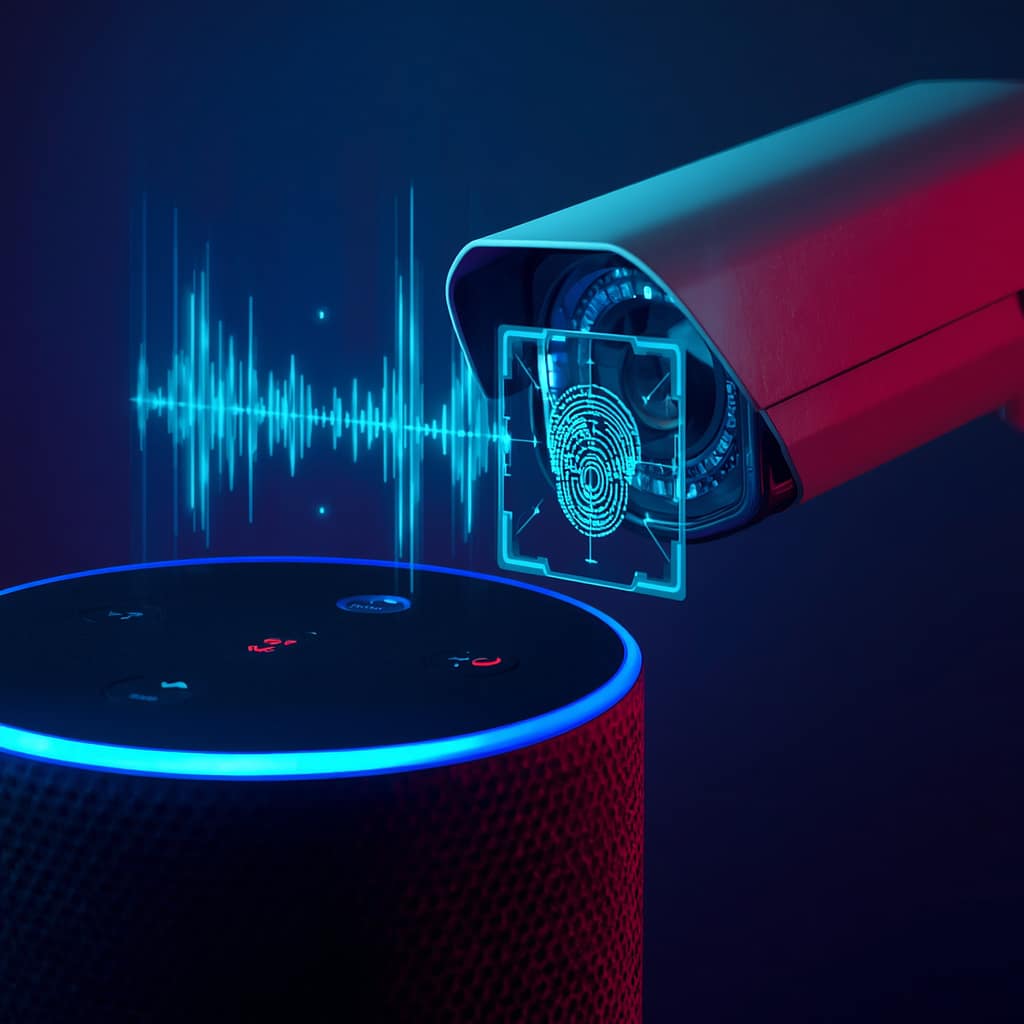
When lights stay off, sleep routines show up in bedroom activity. Patterns emerge where spaces sit unused after dark. How rooms get occupied shifts across daylight hours. Movement follows automated prompts that spark actions. Power use trends tie closely to motion timing. During trips, lighting gaps mark empty homes
When lights stay off at regular times, patterns emerge. Burglars notice such details now. Smart device activity reveals when homes sit unoccupied. A consistent lack of evening illumination signals routine absences. Information once private can become a vulnerability. Unchanging automation may invite unwanted attention. Empty rooms broadcast silence through digital behavior.
Companies Need Your IoT Data
What gets sold isn’t what you think. Behind every click, a record forms – silent, stored, shaping value elsewhere.
Smart fridges notice what you eat, so ad choices shift based on those patterns. When wearables record sleep cycles, that information shapes wellness tips or adjusts risk estimates in insurance. Firms collect signals from connected gadgets – these inputs refine machine learning models. Behavior forecasts emerge not from guesswork, but steady streams of daily usage clues. Personalized suggestions often stem from background monitoring, subtle yet constant.
Greater precision in information increases its worth significantly.
Yet specificity matters when tracing how such information turns into revenue.
Direct Advertising Revenue
Most times, what you watch on your smart TV ends up in ad databases. Because of that, companies adjust their messages based on your show choices. Watching many DIY programs? Then tool promotions start appearing more often. Renovation deals pop up too – alongside furniture offers. Cooking series lead elsewhere: meal kit suggestions begin showing up. So do countertop gadget highlights. Advertisers follow patterns without asking first. Your screen becomes a mirror for product pushes.
Not broad population categories here. Instead, choices shaped by how you really watch. Each decision follows what you do – not assumptions. Precision comes from habits, not averages. What matters is behavior, not age or location. Tracking happens through actions taken, day after day.
Third-Party Data Sales
Most firms working with connected devices pass collected information to outside organizations. Even though these businesses say personal details are removed, studies reveal people can still be traced within such data sets.
Your smart home data might be sold to:
Because market research firms study how people spend money, neighborhood values shift under real estate analysis. When insurance providers examine accident rates or health data, financial organizations check income patterns before approving loans. Voting behavior shapes campaign strategies, just as housing prices respond to local amenities and crime statistics. Each sector relies on distinct datasets to predict choices, whether buying homes or casting ballots. Trends emerge where spending habits meet demographic shifts, influencing decisions across industries without central coordination
Clicking “Accept” meant agreement, even without reading the terms. That moment sealed your consent. Most skip the fine print. Yet choices matter, regardless of attention paid. Agreement stands, whether noticed or not.
Building Products and Teaching AI
Each time you speak to a device, companies collect that sound to refine how machines understand voices. Though unseen, these moments shape smarter software behind the scenes. When temperatures are changed at home, patterns form – feeding AI tools that learn from habits. Recordings captured by cameras serve another purpose: sharpening how technology spots people and things. Behind every small interaction lies invisible training for artificial minds.
Working without pay helps refine items you already bought. Your effort boosts what should be your own benefit.
Behavioral Prediction Models
Forecasting comes first in gathering IoT information. Before actions happen, businesses aim to understand them beforehand.
Shipping items ahead of a purchase sits on Amazon’s roadmap. What keeps Netflix awake is crafting stories viewers have not seen but will choose. Before any paperwork arrives, insurers aim to map how likely someone is to make a claim.
Hidden value lives in the details of how you use your connected devices. That information shapes forecasts others can’t easily replicate.
The Growth of Quiet Monitoring in Connected Houses
Most of the time, IoT devices stay out of sight – unlike phones. These gadgets operate without needing attention. Opening them is never part of the routine. Frequent checks? Not required. Memory fades their presence. Their strength lies exactly in being unnoticed.
From the moment you rise, devices note each move – cameras catch routines, sensors track presence. Though nothing is spoken by you, behavior takes shape across silent systems. As days pass, regularities form – not through posts or uploads, but through quiet observation built into everyday objects. What appears inert slowly learns how you live.
One step inside, life feels different. Data flows where walls once stood alone. By 2026, a house does more than shelter – it listens, adapts, responds. Living unfolds alongside invisible networks. Rooms track movement without being asked. Everyday actions feed silent systems. A home breathes with information, not just air. What used to be private now circulates in code.
The Mesh Network Effect
Most overlook this point. Smart gadgets on their own raise alarms. When several link up, however, a full monitoring system emerges – quietly, steadily watching.
When you walk away, your smart lock takes note. The home’s temperature shifts once it senses no one remains inside. Outside, the security camera holds its gaze on the entrance. Without motion, the lights remain dark. Silence fills the room where the TV usually plays.
Every Tuesday, between two and four in the afternoon, their tracking picks up the gap. Not once, but each week it happens. Your empty space gets logged without fail. This rhythm becomes clear through repeated observation.
Devices must exchange information before such understanding can occur.
Always-On Monitoring
Watching people closely takes work the old way. Cameras need a person staring at them. Following someone means another person walking behind. Staying alert demands constant focus from whoever is looking.
Always on, IoT monitoring works without stopping. Because it runs by itself, there is no need for human oversight. Tiredness does not affect machines, nor do personal views interfere. Breaks are unnecessary when systems operate nonstop. Recording happens continuously, capturing every detail across time. Decisions about relevance shift to automated analysis instead of people.
This concept breaks away entirely from earlier tracking methods. Yet it operates on a new principle altogether.
Pattern Recognition Without Permission
It could seem like everyday gadgets make life easier. Yet behind the scenes, these tools quietly map out how people act. Each interaction adds pieces to a hidden puzzle.
Wednesday nights often find you opening food delivery apps – machines spotted that pattern long before you did. Strange how a movie’s intensity links to restless sleep, yet software caught it effortlessly. Your thermostat settings tell stories about distance between partners, quietly revealed through data gaps. Patterns emerge where humans overlook them, hidden in routines too subtle to name.
This detail wasn’t directly provided by you. Instead, patterns in the device activity led to its conclusion.
Are IoT Devices Listening All the Time?
Among major issues, this stands out clearly.
Audio clips get analyzed more often than users expect. While firms say gadgets wait quietly until hearing a trigger phrase, brief moments of sound may still be captured. These fragments help refine speech recognition systems over time. Human reviewers occasionally examine them to assist machine learning progress.
Occasionally, gadgets have captured talks without intent, keeping sound files past their intended duration while people later listened in. Though designed for limited use, some recordings remained available far beyond schedule due to oversight in removal protocols. Instances arose when third parties reviewed material meant to stay private, simply because systems failed to erase it on time.
Though uncommon, such incidents reveal the delicate nature of information handled by connected devices.
The Technical Reality of Always Listening
Always listening is necessary for smart speakers to catch their wake word. This isn’t suspicion-worthy behavior. It simply reflects how they function.
Listening happens directly on the machine, spotting phrases like “Alexa” or “Hey Google.” Once that signal is caught, sound data flows outward, heading to remote servers. Only then does deeper analysis begin off-site.
Yet things go wrong in practice. Deciding which sounds qualify as a wake command is tricky. Misfires occur often, simply because of how speech varies. Speech-like noise fools the system now and then. A show playing on television might set it off without warning. Private exchanges get recorded even when no one meant to start anything.
A single household’s voice assistant wakes without instruction nearly nineteen times each day, according to research from 2025. Though no request prompts it, the device captures snippets – anywhere from five to thirty seconds long – before going quiet again.
Unplanned footage adds up quickly.
What Happens to Accidental Recordings?
Some firms say unintended recordings get wiped right away. Yet probes show this often fails to happen.
Occasionally, certain audio clips get set aside for people to examine – this helps boost precision over time. Others serve as learning material for future artificial intelligence systems. A few remain saved forever, only vanishing if someone actively removes them via obscure menu options rarely touched by typical users.
Some staff at Amazon, Google, and Apple confirmed that people examine voice clips recorded by devices. Workers say they’ve come across private conversations during these checks
Private talks shared by couples. Health-related dialogues concerning medical issues. Heated exchanges during household conflicts. Young voices caught in family privacy. Details about personal money matters
Most times, those doing reviews work under contract, holding only low-level access permissions along with standard secrecy terms.
Hidden Microphones Found in Unusual Locations
Hidden microphones exist in plenty of gadgets people overlook. Smart speakers stand out – yet quiet listeners hide elsewhere.
Most modern televisions include built-in mics, meant for responding to spoken commands. Though intended for convenience, these cannot always be turned off completely without disrupting related functions. Devices like home surveillance systems often carry audio sensors too, enabling live responses through speakers. Occasionally, even climate controls come equipped with hidden sound receivers – prepped, perhaps, for voice options that remain unused for now.
A single household could host twelve hidden mics and never know.
Security risks outpace protection efforts
Faster rollout of connected devices outpaces safety updates.
Many problems stem from easily guessed factory settings, software that lacks updates, yet sometimes also rely on shaky data protection methods.
Most IoT gadgets stay connected nonstop – this attracts hackers. Updates often go ignored by owners, leaving flaws unpatched. A weak smart thermostat can open doors to an entire household system.
In 2026, attacks on smart home devices are increasing, especially on cameras and routers.
The Default Password Problem
Many IoT gadgets arrive set up with basic codes such as “admin” or “12345.” Changing them right away is expected. Yet, few actually do so.
Some attackers rely on software that hunts down gadgets still using factory-set passwords. When such a device is spotted, entry becomes straightforward. Gaining control of it may open pathways to everything connected at home. Access spreads quietly, moving beyond the initial point.
Seven out of ten smart home gadgets kept factory-set login codes half a year after setup, according to research published in 2024.
Firmware Updates People Skip
Every now and then, new flaws pop up in software systems. To patch these weaknesses, companies issue updated firmware versions. Yet many Internet-connected gadgets depend on people taking action – something they rarely do, either because it slips their mind or they never realize it’s needed.
While phones pester users about updates, many smart home gadgets grow less secure without notice as fresh vulnerabilities emerge.
A camera can keep operating long after its maker stops delivering security patches. Despite running without issues, such a device may harbor confirmed flaws that never get resolved.
iot botnets behind ddos attacks
Thousands of poorly protected IoT gadgets fall victim to hackers, forming vast botnets. When linked together, these hijacked systems unleash overwhelming floods of traffic capable of crippling online services.
A single smart light might secretly join digital attacks while you remain unaware. Meanwhile, your home camera may already belong to a network that overwhelms big online services.
Back in 2016, the Mirai botnet pulled off massive DDoS strikes by harnessing vast numbers of hacked IoT gadgets. By 2026, comparable assaults still occur – only now they arrive cloaked in sharper techniques.
The Ransomware Threat
One morning, the door refuses to unlock – despite the app saying it should. Temperature climbs without warning, stuck high even after repeated adjustments fail. Footage from indoor cameras vanishes into a server no one recognizes.
A message appears on your smart TV: “Pay $500 in Bitcoin to regain control of your home.”
Reality hits hard here. From 2024 to 2026, incidents of ransomware targeting connected devices jumped by 340 percent. Because control over living spaces matters, hackers bet on victims opening wallets just to get back inside.
Privacy Breaches and Data Leaks
Should cybercriminals bypass your gadgets entirely, corporate databases holding personal information might still face unauthorized access.
Major IoT data breaches in 2025 alone exposed:
3.2 Across homes, a collection of digital traces grows. Security cameras capture moments – nearly one million streams flow each day. Voice snippets from smart speakers add to the pile, twelve million caught in daily exchanges. Entry patterns from door locks contribute another layer – eight point seven million records shaped by who comes and goes. Television habits stretch further still: forty-seven million glimpses into what people watch linger behind screens
Once out, this information stays out. Private experiences remain visible forever.
IoT Privacy Breaches Affect Lives Outside Digital Spaces
It’s not about theory. Actual individuals deal with actual outcomes.
Smart Homes Used to Control Partners
From behind a screen, an abusive partner might turn the locks without warning. Suddenly, getting in becomes impossible. A thermostat shifts on its own, making rooms too hot or too cold. Quiet moments are ruined by constant watching through hidden cameras. Fear grows when every movement feels observed.
After leaving, some survivors still face abuse through connected home gadgets. Control lingers when old access isn’t revoked. These tools become pathways for monitoring, often silent and unseen. Power stays in the hands of those who shouldn’t have it. Remote features turn into means for fear, triggered from afar. Access that seems harmless becomes dangerous over time. Technology meant to help can instead trap.
Insurance Discrimination
Now, certain insurers seek entry to smart home details when judging danger levels or pricing policies. Fitness band records draw interest from health coverage providers. Security footage and digital door locks matter to household policy underwriters.
Should data sharing be declined, insurers could apply increased premium rates. When personal information reveals potential risks, access to full coverage may shrink – or disappear altogether.
Pay must be made when keeping data private. Money changes hands just to maintain personal boundaries.
Employment Surveillance
Working remotely often means handing over details from personal gadgets just to prove tasks get done. Not every business trusts screen time alone – some hand out tech tools meant to track daily effort. Devices like speakers or lights start logging activity when used during job hours. Monitoring shows up in odd forms, such as checking room occupancy through sensors tied to work routines. Privacy blurs once company gear lives inside private spaces. What counts as proof of labor now includes movement, sound, even thermostat shifts. Employers frame it as fairness; staff see quiet intrusions piling up. Trust slips when light switches become performance markers.
When you sit down, the camera sees you’re there. Because it checks each time, the system knows where you are. While music plays, the speaker listens for movement nearby. If silence lasts too long, it flags an unapproved pause. As the day goes on, the wristband measures how much you move. Even small pauses show up in its records.
The line between home and workplace is disappearing.
Legal Discovery and Evidence
Legal cases might pull in information from your connected home devices. In divorce situations, requests for such records have become common practice. When custody is disputed, details about a parent’s presence at home may come under review.
Information collected by personal gadgets may serve as proof in legal proceedings. In court, audio captured by voice assistants has helped shape arguments, while video from home monitors plays a role too. Utility records from digital meters sometimes support what prosecutors claim.
Your home is creating evidence constantly.
Governments Begin to Respond
Slowly, rules are beginning to align with current needs. In certain areas, laws now demand open data practices, understandable permission procedures, yet basic safety measures too. Still, how strictly these are applied differs greatly from one place to another. Enforcement gaps remain common despite new frameworks.
Across the world, numerous gadgets reach consumers without strict safety rules, shifting accountability onto individuals. Though widely distributed, these products often lack oversight that could reduce personal risk exposure.
The European Approach
When it comes to IoT gadgets, GDPR rules still hold. Consent must be obvious, not hidden in fine print. Data collection stays limited to what is truly needed. People can ask for their information at any time. Deleting personal details also remains an option. Rules apply no matter where the company operates.
Across Europe, companies that sell products face tight rules on data protection. Still, how these laws are applied varies widely – plenty of breaches escape consequences.
Security features built into devices from the start could become mandatory under new European Union rules for internet-connected products. Updates that protect systems without user input may be required moving forward. One part of the plan involves companies reporting weaknesses they discover. These steps aim to tighten safety across everyday smart gadgets.
The American Patchwork
Apart from federal oversight, IoT data rules in America depend on where you are. Each state handles it differently.
Though California’s IoT law demands decent safeguards along with individualized login details, what counts as “decent” remains unclear. Enforcement tends to be weak, leaving gaps. Not every rule gets followed simply because it exists. Vague terms open room for loose interpretation. What looks secure today might fail tomorrow.
Some regions are exploring comparable regulations, although movement remains limited. While discussion continues elsewhere, changes take time to emerge.
China’s Data Localization
Inside China, information gathered through internet-connected devices needs to stay on local servers. Because of rules presented as protecting national safety, authorities can reach these details more directly. While labeled a safeguard, the setup simplifies state oversight. Data stays close, making surveillance less complicated. Laws insist on domestic storage, shaping how companies handle personal records. Security justifications open paths for broader monitoring. Local hosting becomes a gateway, not only a shield.
Some worry these gadgets made in China could let officials access private information. Devices connected to the internet from Chinese factories are under review worldwide. While built for everyday tasks, they might send data beyond user control. Questions arise about who really handles the collected details. Though widely used, their links to state agencies spark concern. Hidden entry points may allow remote monitoring by government bodies. As global demand grows, so do doubts about digital safety.
The Regulation Gap
What holds things back? Laws can’t keep pace with tech advances. Once officials grasp the dangers tied to smart gadgets, fresh tools already gather personal details. Rules lag while innovation pushes forward.
Out here, where laws haven’t yet reached, businesses gather vast amounts of personal information. Rules lag behind, leaving space to capture data freely.
Staying Safe While Using Smart Devices
Smart choices matter more than giving up on IoT. Its value grows when applied with care instead of haste.
Things To Do Right Now
Right away, swap out factory-set codes. For every gadget, pick distinct, complex passphrases instead. A password tool simplifies keeping track of them all.
Monthly checks help maintain current firmware. When possible, automatic options handle updates without effort. Staying up to date happens more easily through regular attention.
Start by turning off what sits idle. When voice sensing on the television stays unused, the mic should go dark. Should home temperature adjustments never come from afar, cut the link to online servers. Features left in shadows gather dust – better switched down.
Apart from your main connection, set up another Wi-Fi lane just for gadgets like cameras or speakers. Many internet boxes let you turn on a visitor-style link without trouble. Smart appliances go here – kept apart from laptops and handsets. Should one item get breached, intruders find fewer paths inward.
From time to time, check what an app is allowed to do. When it comes to smart home tools, many ask for contact details, where you are, or control over video and sound capture. If a feature isn’t needed for basic operation, block it instead.
Advanced Privacy Measures
Start by installing a virtual private network on your router. That way, every bit of data exiting your household internet gets encrypted – yes, even messages from smart thermostats or cameras. Once active, protection applies automatically across all gadgets online.
Running things locally beats relying on the cloud, whenever feasible. Systems such as Home Assistant operate fully from a home server, cutting out online dependency altogether.
When not using them, turn off cameras and mics. A small cover can block the lens easily. During personal talks, unplug voice devices nearby instead.
Before purchasing gadgets, check their privacy terms carefully. Firms promising not to sell personal details tend to offer stronger safeguards. Some store information directly on the device instead of remote servers. Transparency updates often reveal how data is managed behind the scenes.
Start by choosing gadgets that include built-in privacy features. A camera covered by a sliding door offers real protection. Muting sound through a hardware switch adds another layer. Remote access cannot bypass these kinds of barriers.
Smart Home Built with Privacy First
Starting with brands known for strong privacy helps limit data exposure. Unlike Google or Amazon, Apple tends to gather fewer personal details. Complete oversight becomes possible using open alternatives such as Home Assistant.
Most gadgets work fine without connecting to the cloud. When they stay off external networks, personal data stays closer to home. Remote access vanishes – yet quiet confidence grows. Local operation limits exposure, even if convenience takes a small step back.
Programming your thermostat by hand beats relying on automated routines. Rather than wait for a device to guess when you’re home, set times directly. This method skips the learning phase altogether. A fixed timetable means less data collection. Convenience dips slightly yet privacy gains matter more here. Behavior tracking stops before it begins.
Once every quarter, take time to check each gadget connected at home. Look closely – what information do these tools gather? Not everything plugged in serves a purpose anymore. Reassessing helps spot what can go. Some might stay; others lose their reason. Devices once useful may now just track without benefit. Pause occasionally. See clearly which ones matter today.
Check compatibility security updates and privacy settings before buying new IoT devices
Before purchasing any smart home device, ask:
Most of these tools operate offline by default. When a link exists, however, functionality expands slightly. Without access, core features remain intact. Operation continues even when signals drop. Users retain control regardless of network status. Connectivity becomes optional rather than required. Performance shifts, yet tasks still complete. Standalone use fits many scenarios just fine.
Is your data kept on the device itself, sent to internal systems, or held by outside providers?
Anyone else see your information, or only the company that made it? Could third parties get hold of what you shared, not just the creator?
Deleting your data – possible? A straightforward method exists? The steps to remove information – who outlines them? Clarity matters when ending storage. Does the system allow full removal? Transparency in deletion procedures – how detailed is it?
If the business shuts down, what becomes of your gadget? Does it stop functioning entirely, or does it keep operating without issue?
Security update duration depends on manufacturer policy. Some brands promise support for set years after release. Updates may stop without notice if hardware becomes outdated. A few companies publish timelines online. Length of service varies by model and brand decisions. Support periods sometimes appear in warranty details. Older devices often lose patches faster than new ones.
What if the privacy policy makes sense when you read it? A warning sign shows up whenever wording feels unclear or leaves too many gaps.
The Future of IoT Privacy
Expect shifts toward local computation within devices rather than reliance on remote servers. Security improves when robust encryption becomes standard practice across systems. Intelligence embedded directly into hardware allows responsiveness without constant connectivity. Movement away from centralized data handling gains momentum through these changes.
This change is meant to limit the amount of information leaving your household. Yet, it may be a while before people start using it widely.
Edge Computing and Local AI
Out of necessity, newer IoT gadgets now pack stronger processors capable of running artificial intelligence right where data is collected. Because of this shift, functions like spotting voices or identifying shapes in images occur directly on the hardware. Without relying on distant servers, these systems analyze patterns while keeping information closer to its source. As a result, decisions emerge faster, shaped by local computation instead of remote support.
HomeKit reflects Apple’s preference for privacy – Siri computations occur directly on the user’s device. Instead of relying on remote servers, smart home tasks are managed through local hubs. Information remains inside the home network, exiting only when unavoidable. This setup limits exposure by design.
Privacy champions imagine a world like this one day. Yet better gear means higher costs, while smarter programs demand greater complexity.
Blockchain Tracks Device Identities
Blockchain systems now help certain businesses record details about data collection securely. When information gets gathered, these tools log the timing precisely. Access records show exactly which individuals viewed specific datasets later on. Tampering becomes nearly impossible through such transparent tracking methods. Companies rely increasingly on distributed ledgers for audit trails that resist alteration attempts.
This approach does not stop data gathering – yet it introduces oversight. From your view, the exact information taken becomes visible, making breaches detectable. Proof of improper entry emerges clearly when it happens.
Privacy by Design
More people now push for privacy built into gadgets right from the start. Devices shaped around secrecy instead of adding it later. Starting with protection as standard practice grows common. Built-in safeguards appear early in creation, not tagged on afterward. Focus shifts before launch, not waiting till problems arise.
Collecting just the necessary data comes first. Where feasible, keep that information on local devices instead of remote servers. Everything must be encrypted by default – no exceptions. Users receive detailed options to manage each piece of their collected data.
What makes it difficult is how privacy-focused systems cost more to build while generating lower returns compared to today’s tracking-based approach.
User-Owned Data Models
Startups now test setups letting people keep control of personal information – some even let them offer access for a fee. Ownership stays with the user, while permission to use shifts case by case. Not every company runs this way, yet a few are building systems around it. Decisions about sharing rest entirely with individuals. A different path emerges when profit isn’t pulled solely by platforms.
Sharing information would happen only when permission is clearly given, not assumed. Compensation follows disclosure, tied directly to how data gets used. Purposes must be stated before any transfer occurs. Control shifts toward individuals, away from unchecked corporate access.
Now things look different. Yet such a shift demands deep shifts in how IoT businesses operate.
The Regulation Turning Point
Eventually, rules will follow. What remains uncertain is whether they arrive ahead of damage, shaping norms early – rather than after a severe lapse in privacy or widespread misuse forces change.
Some experts urge strong national rules for internet-connected devices. These could demand clear user permissions before data collection begins. Rules might also insist on regular security updates by manufacturers. Transparency about how information gets stored appears necessary too. Oversight bodies may need authority to enforce such standards. Public trust often depends on consistent safeguards across platforms
Mandatory security standards for all IoT devices
Clear, readable privacy policies
Permission must be given before personal information is gathered
Easy data deletion for users
Security update commitments from manufacturers
Heavy penalties for violations
Opposition arises within the tech sector, claiming such rules could slow progress while raising expenses.
What Companies Keep Hidden
What users get told often misses the reality of data gathering by IoT makers. Full transparency isn’t mandatory, leaving room for hidden tracking.
The Anonymous Data Myth
What seems safe might not be. Firms claim user details are stripped of identity – yet patterns give people away just the same. Anonymity, in practice, breaks down more easily than admitted.
It turns out that what looks like anonymous information often isn’t. Given sufficient details, a person’s identity emerges – no name or address needed. Studies keep finding the same result: true anonymity breaks down under data pressure.
Most mornings begin differently for everyone, yet your routine shapes a distinct trail of signals. Because timing varies so much across households, even small details like when lights turn on matter. While others might leave earlier or later, your exit moment adds to an individual profile. Even choices about what shows play at night contribute uniquely. Since climate settings reflect personal comfort, they further define this signature blend. Although patterns may seem ordinary, together they form something no one else repeats.
A person’s distinct data trail acts like an identifier, revealing their identity within supposedly anonymous records.
Data Retention Periods
Surprisingly, numerous businesses offer little clarity on data retention periods. Often, privacy notices claim information stays stored indefinitely – phrased vaguely as “as long as needed” – yet fail to clarify the actual duration.
Years can pass, yet voice clips, camera videos, and activity records often remain stored long after someone closes their account. While deletion requests are made, certain firms still retain these files far beyond expected timelines.
After information flows into a corporate network, holding onto timing becomes nearly impossible. It lingers longer than expected – often beyond anyone’s reach.
Third-Party Sharing Loopholes
Sharing data with third parties tends to appear in privacy rules using vague terms like “partners” or “service providers.”
These partners might include:
Advertising networks
Analytics companies
Cloud storage providers
AI training companies
Data brokers
One after another, these organizations set separate rules for handling personal information. Once your details leave your control, they may keep moving through different hands without pause.
Government Access
Occasionally, businesses face demands from state bodies seeking access to personal information. Reporting openly about these instances – detailing volume and response rates – is a practice followed by certain firms.
Yet numerous IoT firms fail to release such disclosures. Without access to these records, users remain unaware of whether authorities have sought their information.
Secret surveillance programs emerge when national laws block firms from revealing official demands for user information.
The Mind Behind Choosing Smart Devices
What drives individuals to embrace technology despite privacy risks?
Hidden within how people think and what they see shapes the reply. Design choices meet mental habits where understanding begins.
Convenience Over Privacy
Right away, people tend to favor what they can see and touch. Voice-activated lighting delivers that kind of instant reward. Meanwhile, concerns about data secrecy linger far off in the mind. Because of this gap, short-term gains often win attention.
This idea goes by the name of temporal discounting. Future outcomes often seem less important compared to immediate gains. What feels distant tends to weigh less in our choices today.
Most IoT firms take advantage of this tendency – streamlining installation, highlighting perks upfront, yet tucking data risks into menus and fine print.
The Everyday Watch
Once most people own a Ring camera along with an Alexa device, being watched no longer seems strange. Instead, it simply blends into daily life without notice.
This idea gains strength when others act on it first. When most people choose something, individuals often see it as acceptable.
Yet common use fails to erase concerns about personal data. Instead, it simply hides them from view.
The Sunk Cost Fallacy
Leaving behind a collection of connected home gadgets isn’t easy, even when doubts arise. After relying on automated lights, locks, and speakers for months – or years – the idea of disconnecting feels unsettling. Familiarity builds resistance to change, especially when routines depend on voice commands and app controls. Stepping away means giving up convenience already woven into daily life. The longer someone uses these tools, the harder it becomes to consider alternatives. Comfort grows quietly, making exit feel like loss rather than choice.
Spending money came first. After that, hours went into setup. Now, daily life leans on their ease.
Leaving might seem like saying you were wrong, also that time spent had no value.
Starting fresh feels tougher the longer you stay. What happens is brands build systems meant to keep users close. One gadget links smoothly with another if both come from the same maker. Because of this, moving away gets messy over time.
Trust Through Design
Most IoT gadgets aim to seem approachable and reliable. With smooth curves and gentle tones, smart speakers invite comfort. Their apps speak plainly, guiding users through clean layouts. Rounded edges meet calm colors, building ease without effort.
Emotion often builds closeness – yet trust may follow without good reason. Sometimes feelings lead people to rely on something fragile, simply because it feels right.
A pretty look won’t alter how the machine works underneath.
Real Talk IoT and Privacy Trade Offs?
This one thing each person must decide on their own.
Some find daily living easier because of how household gadgets connect and respond. Voice tools let older adults manage tasks without help. When mobility is limited, automated systems make a big difference. A small change at home might mean greater freedom.
Sometimes advantages go beyond concerns about personal data.
Yet numerous individuals view smart home gadgets as costly extras – offering little real value despite their growing popularity – while simultaneously exposing personal data to potential misuse.
Is it really fair to trade your information for how well that gadget works? Worth thinking about before you decide.
Questions To Consider
Is this gadget something I reach for every day, or only admired at first glance?
Would my life be significantly worse without this device?
Does using this gadget feel right, knowing it tracks how I behave day after day?
Is my personal information safe with the people who built this gadget?
Should someone gain access to this device or expose its information, what could go wrong? How far might the damage reach under such conditions?
Is it possible to get similar results using something that does not connect?
The Minimalist Smart Home Approach
A handful of tools can make a real difference when picked carefully. Yet most remain unnecessary distractions best left unused.
Perhaps a smart thermostat suits your needs well, yet a connected coffee machine brings little value. It could be that automated lighting enhances daily routines, whereas the information tracking of an internet-enabled television feels excessive.
A single device might bring ease, yet still leave most of your space untouched by constant monitoring. While automation adds comfort, it does not always require every room feeding information endlessly.
Final Thought
Privacy worries around the Internet of Things in 2026 aren’t rooted in panic. Instead, they stem from growing understanding. Devices now do more than respond – they watch patterns over time. As these machines learn how you move through daily life, boundaries shift quietly.
What matters now isn’t if IoT gadgets gather information. Instead, the real issue lies in your ability to manage what they take.
Home gadgets decide without asking. They send daily routines to faraway computers instead of keeping them private. Quiet actions become data points overnight. Personal rhythms flow outward through hidden channels. Choices happen where you cannot see. Familiar behaviors feed unseen systems by default.
What gets gathered matters to you. A genuine option to join – or not – should always be yours. Control of personal information ought to stay in your hands.
Convenience arrived, just as predicted. Efficiency followed close behind. Yet hidden beneath these benefits emerged something else entirely – a level of monitoring inside homes unlike anything seen before.
Unlike state monitoring, this one came at your own expense. Into your life, it entered by invitation. Hidden from sight, its operations remain invisible.
Already, the devices exist. What matters now depends on your next move.
What happens when comfort costs confidentiality. Could stronger safeguards become a requirement, not a request. Might some choose gadgets that guard personal data more carefully.
One size does not fit all. Still, picking with purpose matters more than following without thought.
Beside comfort, a house offers personal freedom. Yet protecting that privacy takes effort now and then.