

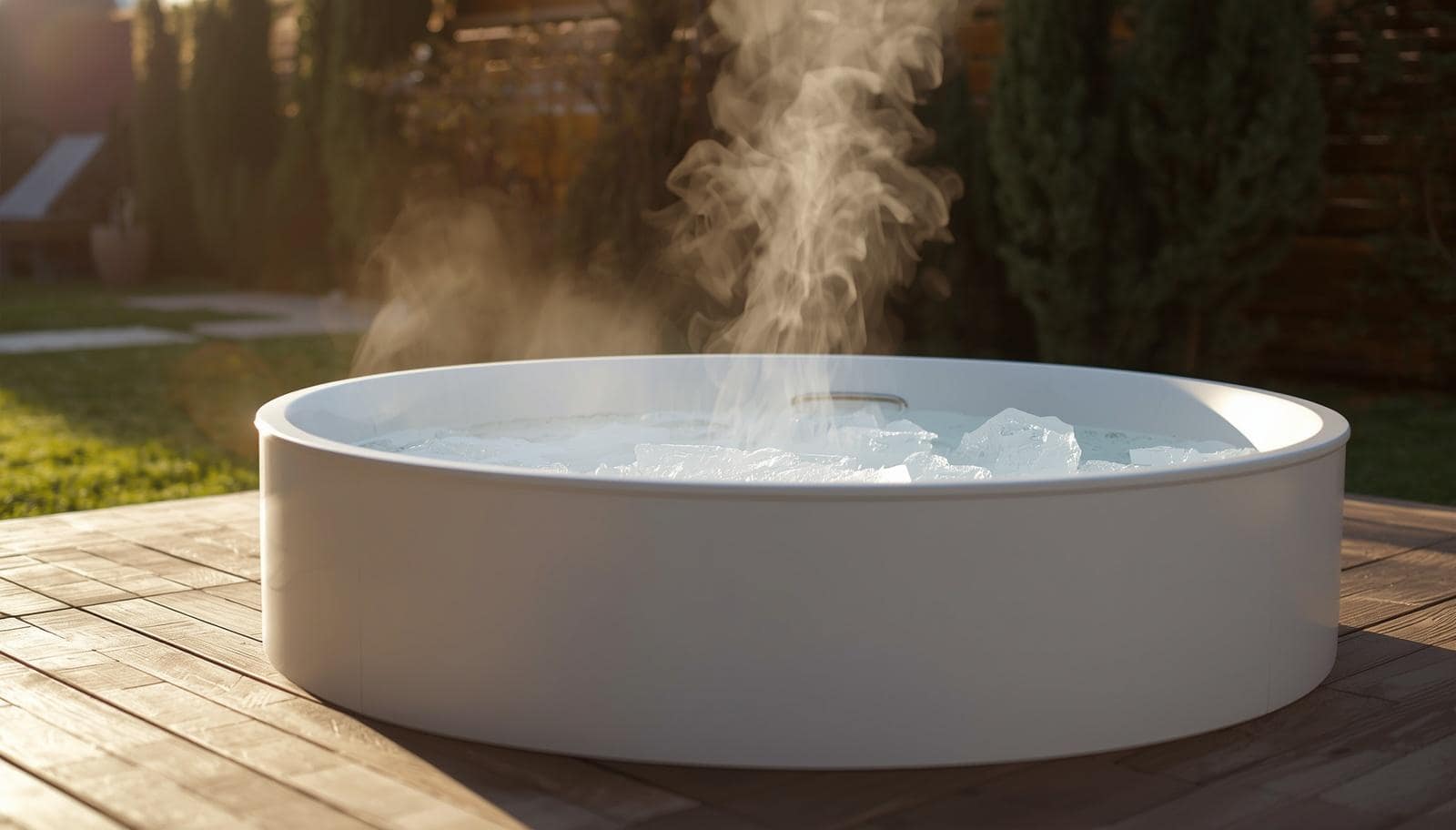
Recently, searching for a cold plunge info has shown a frustrating pattern. Search outcomes tend to lean on Reddit debates where views clash. Alternatively, they land on flashy rankings offering little clarity. Also, you might see expensive setups with no real-world context.
Then comes the key point: Which cold plunge setup makes sense to purchase – will you stick with using it over time?
This guide looks at seven top cold plunge setups for homes, judged by how they work every day, steady cooling ability, temperature control, and lasting worth. What buyers often miss during selection becomes clear here – this detail shapes results more than expected.
What cold plunge system is actually worth buying—and will you use it consistently?
Start anywhere, but first grasp this core idea. Not the gear makes a difference. It is showing up repeatedly that counts. Results follow routine, never the object used.
Consistency relies heavily on simplicity of use, steady temperatures, however much upkeep a system demands. For these reasons, many transition from basic ice baths toward cold plunge tubs equipped with chillers.
Midway through an ice bath, temperatures shift because the ice does not last long. Starting cold is one thing – staying that way takes effort. Each time warmth creeps in, fresh ice becomes necessary. Attention must return again and again to maintain conditions. Managing fluctuating levels and pooling water turns routine into maintenance. What begins simply grows gradually cumbersome.
A chiller system eliminates those complications entirely. Rather than dealing with melting ice or shifting temperatures, an automatic process holds the setting you choose – no constant oversight required. What once demanded attention now runs on its own.
1. The Plunge All In One System
Starting strong, this system sets the standard without demanding any installation effort. Known widely, The Plunge delivers distinct traits that separate it from others. Ending here.
A built-in chiller operates smoothly within the tub’s structure. With a sleek, current look, it blends naturally into modern homes. Cooling goes as low as about 37 degrees Fahrenheit. Unlike many alternatives, upkeep needs are quite small.
Ready right out of the box, this cold plunge tub comes paired with a durable chiller built for consistent everyday operation. Once assembled, it runs without issue – over time, performance stays steady. From the first use onward, little changes; setup is quick, function follows naturally.
Here’s the catch – cost runs high. Still, when reliability matters more than saving a few dollars, few options perform as consistently over time. What stands out is how little attention it demands once set up. For those who value daily function without interruptions, its completeness becomes clear.
Best for: Long-term users who want a permanent, high-end setup
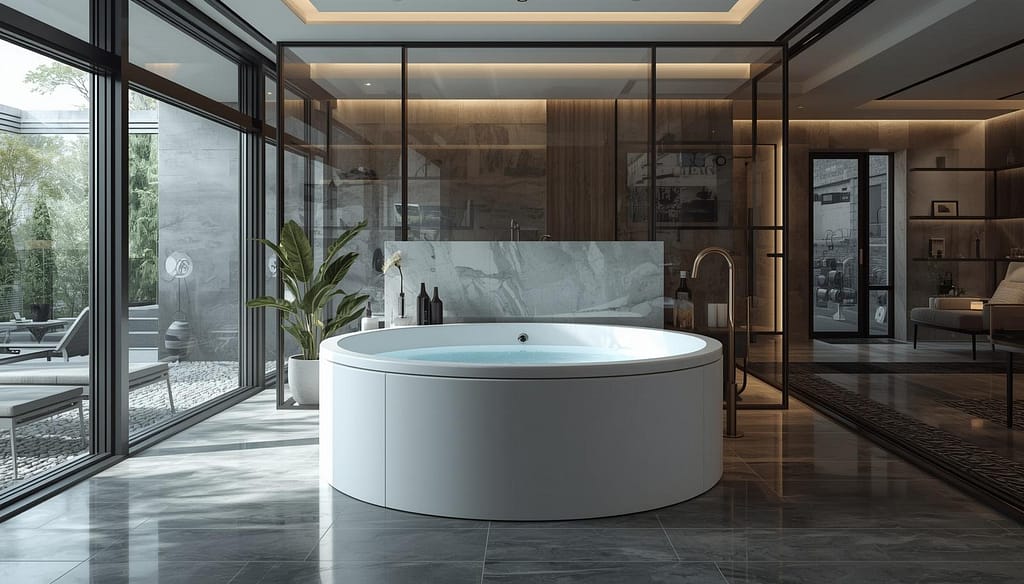
2. Plunge Chill Cold Plunge System
This option ranks among the top choices when looking at affordable cold plunges paired with chillers. Yet what actually sets it apart from so many similar products?
A much smaller upfront cost opens doors for those testing out cold plunges. Reaching lows of 39°F and topping at 42°F, chilling performance holds steady across typical needs. Since weight stays low, shifting locations becomes effortless when life shifts direction. Without needing expert skills or step-heavy building steps, putting it together feels natural right away.
Most high-end models offer more polish, yet this one focuses on basics – cooling effectively without fluctuation. A steady temperature often supports regular habits, even if extras are missing. Many users find reliability more useful than advanced options.
Best for: Beginners who want a cold plunge with chiller and filter without overspending
3. Titan Cold Plunge
Here’s what catches the eye for many stepping up from homemade versions. Priced within reach yet built to deliver, the Titan Cold Plunge balances cost with capability.
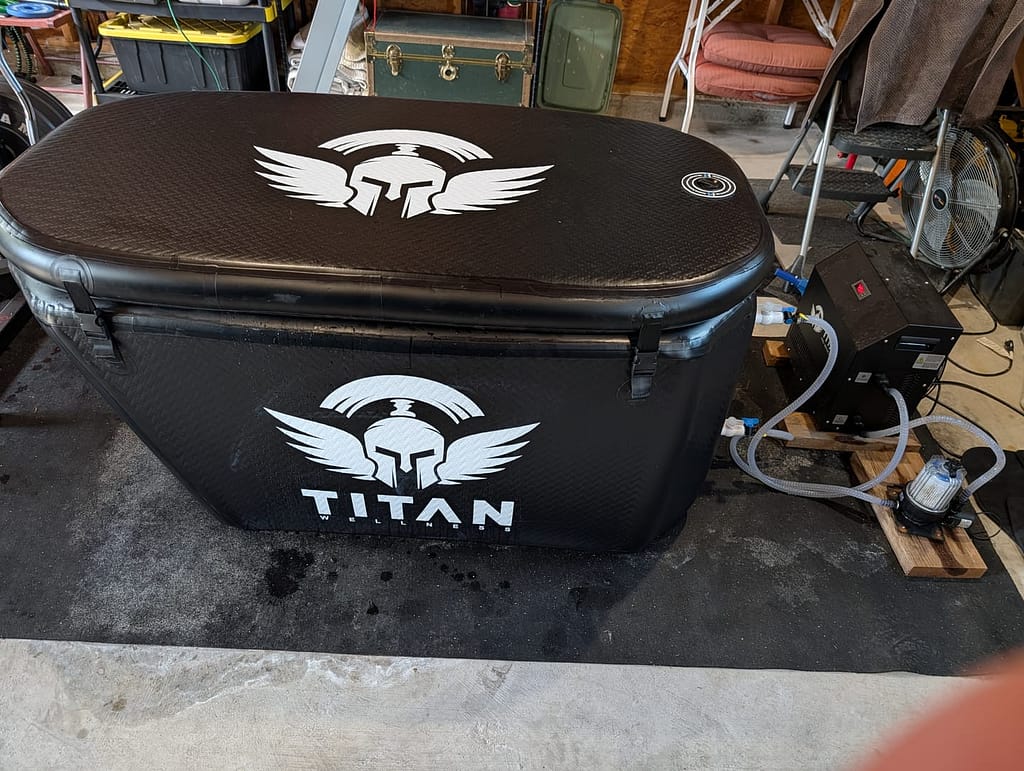
Why does this stand apart from similar mid-tier models? Different horsepower choices come standard – options include 1/3 HP, 1/2 HP, and even 1 HP chillers. Right from initial production, adaptability shapes how components fit together. While some units suit only one setting, this spa works equally well inside or outside. Temperature stability takes priority across every phase of development. Because the basin holds more water than typical entry-level versions, personal space improves each time you soak.
Chillers adapt well to different needs, so there is no need to stick to rigid solutions. When used indoors under light conditions, even compact models perform effectively. In contrast, outdoor installations in warmer regions benefit from stronger units built for heavier loads. Power choices align closely with actual requirements, avoiding mismatched setups.
What sets the Titan apart is how well it adjusts compared to others at this cost. Rather than chasing high-end designs or extra bells and whistles, its strength lies in doing what matters most – working reliably every time. Function comes first here, along with steady performance and real-world usability.
Perfect if you need a durable cold plunge setup that cools effectively yet stays within budget. Not designed for luxury seekers but built for those prioritizing function over flash. Holds steady temperatures even during frequent use. Costs less than high-end models but performs consistently. A practical pick when value matters more than brand names. Works well out of the box with minimal adjustments needed
4. Coldture Cold Plunge Chiller System
Coldture leans into tech-heavy solutions within the sector. Rather than offering one-piece bathing units, its emphasis falls on powerful cooling devices – these link through an application, allow flexible configurations, and adapt depending on user requirements.
Temperatures near 37 degrees Fahrenheit – about 3 degrees Celsius – are within its range, maintaining solid chill power despite surrounding heat. Built more like a DIY setup, this method frames cold plunging as a customizable experience.
Pairing the chiller with any tub allows wide-ranging options when planning your system layout. Still, greater freedom means extra care is required while assembling everything. Knowing how each part interacts becomes essential. Correct placement and connections must be confirmed before operation.
Perfect if you prefer fine-tuned settings, personal adjustments, because greater speed matters too
5. Glacier Cold Plunge Tub
When strength matters most, few choices match what this offers. Built without relying on inflatables or materials like PVC, the Glacier stands apart through its solid build. A high-performance chiller forms part of the core structure. Because it’s made for extended outdoor operation, shifts in season or frequent use won’t weaken its function.
Most budget models create more noise during operation – this one stays noticeably hushed, an advantage when placed inside living spaces. While mobility takes a hit due to its fixed nature, shifting focus toward permanence instead, price climbs at first glance yet reflects sturdier construction beneath. Built like professional wellness systems meant to endure heavy use, it outlasts typical units by stretching far beyond seasonal cycles.
Perfect when meant for lasting indoor installations or open-air health zones
6. DIY Ice Plunge Tubs with Chiller
Many begin at this point, yet a few remain indefinitely since it delivers results. Simple in design, it opens doors for whoever commits effort. Though often overlooked, its strength lies in clarity rather than complexity.
A homemade version often starts with a regular stock tank or simple tub. Instead of buying an all-in-one unit, users pair it with a separate cooling device. This mix lets builders shape each detail themselves. Cost matters here – ready-made versions usually demand more money. Control becomes possible because parts are selected individually. Performance wise, careful setups run close to standard commercial units. Done well, there is little gap in results.
Working everything out takes longer, especially when getting started or making updates later on. Each piece operates separately, without a single design guiding how they connect. Appearance-wise, the finished result often feels rougher compared to store-bought setups.
Yet performance matches that of mid-tier commercial setups, when effort goes into early configuration – costing far less. Though demanding at first, the payoff comes through savings without sacrificing output quality.
For budget users who prefer setting up themselves
7. Portable Ice Bath Systems
Most basic setups for cold plunging tend to be highly adaptable. Often, they come as collapsible or air-filled basins needing minimal assembly. Without permanent placement, relocation or storage becomes effortless when necessary.
Even without a chiller, these systems operate – though keeping temps steady gets harder. Ice builds up again, requiring constant oversight. Yet they fit certain needs neatly. Their compact size makes them practical when moving between locations. Where space is limited, these units fit well without needing fixed setup. When usage happens now and then, precise climate settings matter less.
Perfect if you value adaptability along with beginner-friendly cold immersion
Hidden Truths About Cold Plunge Routines
Truth be told, many reviews dive deep into specs and fine details. Yet when it comes down to daily life, one question matters more than any number: does it fit your routine without effort?
Stopping happens more than expected among those using ice baths regularly. Setup demands stretch longer than preferred, making timing harder to manage. Temperature shifts occur without warning, reducing reliability each session. Inconvenience builds quietly until routine breaks down completely. Resistance grows slowly, then suddenly defines the entire experience.
Sticking with a routine becomes more likely for those using setups such as the Titan Cold Plunge, specialized cold tubs equipped with chillers, or combined units. When automation handles setup, getting started stops being an obstacle.
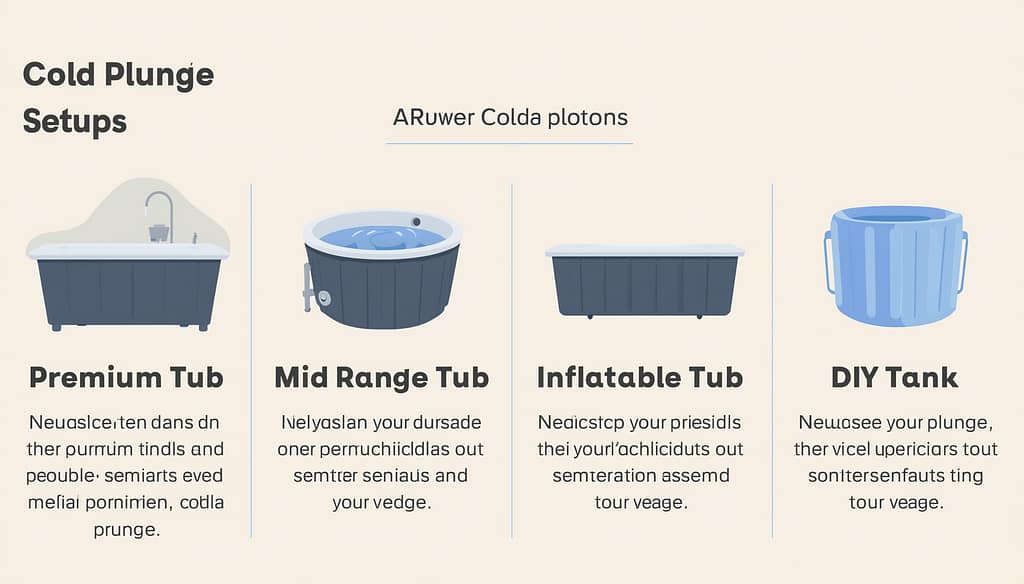
Cold Plunge vs Ice Bath Which Is Better
Among frequently asked queries on the internet, this stands out – yet clarity emerges once traits are examined separately.
A budget-friendly option at first, an ice bath suits brief applications yet demands significant work every time it’s used. Temperature shifts make results uneven throughout repeated sessions. In contrast, setting up a cold plunge costs more initially but runs smoothly afterward with minimal daily effort. Stable conditions support steady progress over months or years when following regular habits.
Starting every day with cold exposure only works if done regularly – more than any single factor. A method used daily beats one left unused, even when less expensive, simply because routine builds outcome.
Choosing a Cold Plunge That Fits Your Needs
What really matters isn’t the fine print. Consider what happens when things go wrong. Ponder how often you’ll actually use it. Think about who will help if something breaks. Reflect on whether simplicity beats extra features. Sometimes clarity comes not from details, but from real-world use.
Starting with frequency helps clarify choices. When usage happens every day, a chiller system fits better since steady performance matches routine demands. For rare moments of use, something movable or self-built performs just as well.
Start by considering location. In climate-regulated interiors, compact units perform well. When installed outside under intense heat, greater power becomes necessary to hold steady conditions.
Reality checks matter when planning costs. Spending less than a thousand bucks means choosing basic builds or do-it-yourself setups. Between two and four grand, models such as the Titan Cold Plunge become possible. Once past five thousand, high-end units start appearing on the radar.
FAQ Section
What is the best temperature for a cold plunge?
Staying within 37 to 45 degrees Fahrenheit suits most individuals. Going colder does not automatically improve results. Stability plays a bigger role than extreme cold. When temperatures remain steady over repeated sessions, adaptation improves gradually. Benefits become clearer when changes are predictable rather than drastic.
Is a cold plunge with chiller worth it?
True, especially when usage becomes routine. Without a chiller, juggling ice demands constant attention – something eliminated here. Temperature stays even from start to finish. That consistency delivers identical conditions every single time. Identical exposure? Exactly how physiological adaptation works.
How long should you stay in a cold plunge?
Most individuals notice advantages within two to five minutes. Staying much longer is unnecessary. Short visits that happen regularly are often preferred by specialists instead of occasional long ones.
Do you need filtration in a cold plunge?
True, it does matter. Cold immersion using a chilling unit along with filtering maintains hygiene while cutting down long-term upkeep. When there’s no filtration involved, regular draining and refilling become necessary – undermining the whole idea of automation. The setup works best when both cooling and cleaning run continuously.
Are expensive cold plunges better?
True, not every model performs the same. Higher prices usually mean stronger materials, more functions, because of refined styling choices. Cooling ability tends to remain roughly equal even when costs change. Extra money may go toward sturdier construction or added extras instead of colder operation.
Final Verdict
A choice stands out only after considering personal needs – no universal answer fits all. Yet patterns appear once actual use comes into view.
Most newcomers choose ice – it costs less. Yet when performance becomes key, chillers slowly replace ice. Over time, steady results weigh more heavily than cost for regulars.
Because of this, setups such as the Titan Cold Plunge, Plunge Chill, and Coldture are seeing wider adoption. Cost, performance, and ease of use fit well with real-world habits – making them practical choices for many users.
Tomorrow matters more than today when it comes to cold plunges. Real results show up not from perfect gear but from showing up yourself, again and again. Studies might highlight details, yet none outweigh the simple act of stepping into chilly water regularly. Features fade in importance next to routine. What works is what fits – reliably – into your days.